

How Long Do Safety Helmets Last—and When Should You Replace Them?
A safety helmet is one of the most important pieces of personal protective equipment (PPE) on any job site—but it's also one of the most misunderstood. Many workers assume that if a helmet looks fine, it must still provide full protection. Unfortunately, that's not always the case.
At LAND Helmets, we're frequently asked two important questions:
- How long does a safety helmet last?
- When should it be replaced, even if it appears undamaged?
The answer is more important than many people realize. Every safety helmet has a limited service life, and its ability to protect you is affected by age, environmental exposure, and impact history—not just visible wear and tear.
In this guide, we'll explain how long safety helmets are designed to last, how to inspect them properly, the warning signs of deterioration, and when it's time for a replacement.
The Real Lifespan of a Safety Helmet
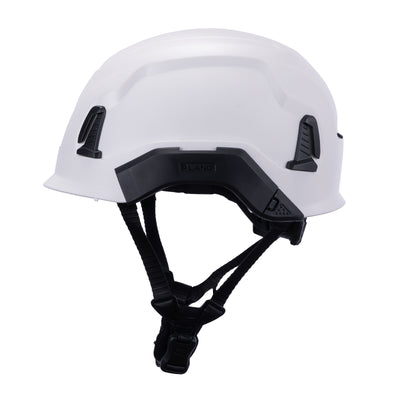
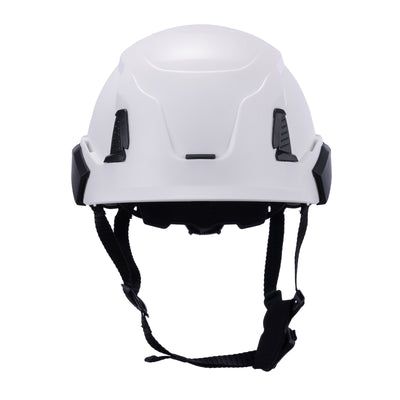
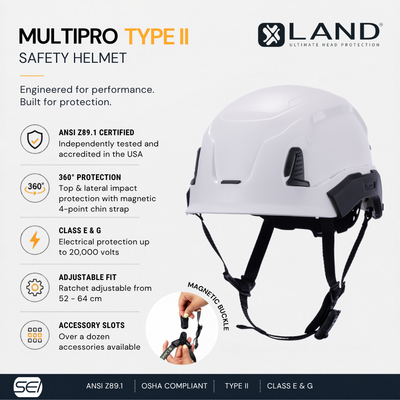
Most modern safety helmets, including the LAND MultiPro Safety Helmet, are designed with a maximum recommended service life of five (5) years from the date of manufacture, provided the helmet has not sustained an impact or been damaged during use.
Although a helmet may appear clean and undamaged, its protective materials naturally age over time. Continuous exposure to sunlight (UV radiation), heat, chemicals, moisture, and everyday environmental conditions gradually reduces the shell's ability to absorb impact energy as originally designed.
For this reason, manufacturers recommend replacing safety helmets based on both age and condition—not appearance alone.
How to Find the Manufacturing Date
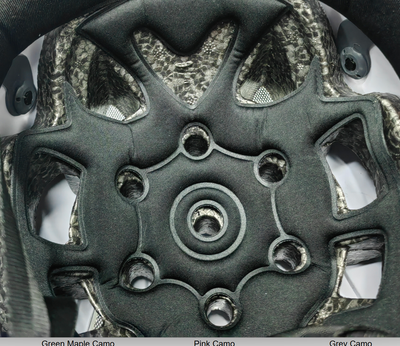
Unlike older hard hats that relied on adhesive date stickers, LAND SEI-certified safety helmets feature permanently molded identification markings inside the helmet shell.
In accordance with ANSI/ISEA Z89.1 requirements, every helmet is permanently marked with:
- Manufacturer identification
- Manufacturing date
- ANSI/ISEA standard designation
- Helmet Type and Class
- Applicable performance markings
Because these markings are molded directly into the helmet during manufacturing, they cannot peel off, fade, or become illegible over time, ensuring reliable traceability throughout the helmet's service life.
Most LAND helmets use a molded date dial to indicate the manufacturing date. The embossed circular dial features an arrow pointing to the month of manufacture, while the surrounding numbers identify the year. This permanent marking makes it easy to determine when your helmet reaches its recommended five-year service life.

Even if your helmet has been used only occasionally and still looks like new, age alone can reduce its protective performance. Regular inspection, proper storage, and timely replacement are essential to ensure your helmet continues to provide the level of protection it was designed to deliver.
Why helmets expire even without damage
Helmet shells are typically made from high-performance thermoplastics or composite materials that slowly change due to:
- UV (sunlight) exposure
- Temperature fluctuations
- Humidity and moisture exposure
- Chemical contact
- Natural material aging

Over time, these factors can make the shell more brittle or less flexible, reducing its protective performance in an impact.
This is why manufacturers and safety standards consistently recommend replacement based on time, not just appearance.
Why Helmet Inspections Are Non-Negotiable
A helmet should be inspected regularly—not just once in a while, but before every use.
A quick visual check can prevent serious injury.
What to look for during inspection:
Check your helmet for any of the following signs:
- Cracks in the outer shell
- Dents or impact marks
- Warping or misshapen areas
- Loose or damaged internal suspension system
- Fading or discoloration
- Flaking or brittle plastic
- Damaged straps or adjustment components
- Any unusual texture changes in the shell
Even small changes in structure or appearance can indicate deeper internal weakening.
Important rule:
If anything seems “off,” the helmet should be removed from service immediately.
What Can Shorten a Helmet’s Lifespan?
Even though helmets are built for durability, certain conditions can significantly reduce their usable life.
1. Extreme Temperatures
High heat or freezing conditions can weaken helmet materials over time. One of the most common causes of premature degradation is leaving helmets:
- Inside hot vehicles
- In direct sunlight for extended periods
- Near industrial heat sources

Heat can warp the shell and degrade impact resistance.
2. Chemical Exposure
Chemicals are one of the most serious threats to helmet integrity.
Avoid exposure to:
- Industrial solvents
- Paints
- Adhesives
- Cleaning chemicals not approved by the manufacturer
These substances can weaken the shell structure even without visible damage.
3. UV and Sunlight Exposure
Prolonged exposure to sunlight gradually breaks down polymer materials. This leads to:
- Loss of flexibility
- Surface fading
- Increased brittleness
Even helmets stored outdoors regularly can age faster than expected.
4. Mechanical Impact
A helmet does not need to be visibly cracked to be compromised.
Any significant impact—especially from falling objects or drops from height—can permanently reduce its protective capability.
5. Improper Storage
Storage conditions play a major role in helmet longevity.
Poor storage includes:
- Leaving helmets in vehicles
- Exposure to heat or humidity
- Storing near chemicals or oils
- Crushing or stacking under heavy equipment
Proper storage helps preserve the integrity of the shell and suspension system.
When Should You Replace a Safety Helmet?
Even if your helmet looks fine, there are clear situations where it must be replaced immediately.
1. After Any Significant Impact
If your helmet has taken a strong hit—even if you see no visible damage—it should be replaced.
Why? Because safety helmets are designed to absorb impact energy by sacrificing structural integrity. That damage is not always visible.
Once it has done its job, it should not be reused.
2. When It Fails Inspection
If you notice:
- Cracks
- Dents
- Loose internal components
- Warping
- Surface degradation
Do not continue using it.
Small defects can lead to major failures under stress.
3. After 5 Years From Manufacturing Date
This is one of the most important rules.
Regardless of usage level or appearance, helmets should be replaced 5 years from the manufacturing date printed inside the shell.
Material aging is invisible—but it matters.
4. Unknown Usage History
If you cannot confirm:
- How the helmet was stored
- Whether it has been dropped or impacted
- How old it truly is
Then it should not be trusted for protection.
Unknown history = unknown risk.
5. Any Doubt About Structural Integrity
If you are unsure, that alone is a valid reason to replace it.
Helmet safety should never rely on guesswork.
Proper Helmet Storage Guidelines
Good storage habits extend helmet life significantly.
Recommended storage conditions:
- Temperature range: 41°F to 95°F (5°C to 35°C)
- Cool, dry environment
- Away from direct sunlight
- Away from heat sources

Avoid:
- Vehicle dashboards or cabins in hot weather
- Damp storage areas
- Exposure to chemicals or oils
Proper storage helps prevent premature material breakdown.
Chemical Safety Warning
Do not expose helmets to:
- Solvents
- Industrial paints
- Harsh cleaning agents
- Unknown chemical substances
These can weaken the structure of the helmet without leaving obvious signs.
Also, only use manufacturer-approved stickers and accessories, as non-approved additions may affect material performance or surface integrity.
Warranty Overview (MultiPro Safety Helmet)
The MultiPro Safety Helmet includes a 2-year limited warranty covering manufacturing and material defects.
It does NOT cover:
- Normal wear and tear
- Chemical or corrosion damage
- Misuse or accidents
- Modifications or alterations
- Improper storage
- Negligence or failure to follow guidelines
A warranty protects against defects—not operational damage or misuse.
Quick Helmet Inspection Checklist (Daily Use)
Before every shift, take 30 seconds to check:
- Outer shell cracks or dents
- Internal suspension system integrity
- Strap condition and adjustment system
- Signs of fading or brittleness
- Any previous impact history
If anything is questionable—replace it.
Common Myths About Helmet Lifespan
Myth 1: “If it looks fine, it’s safe.”
False. Internal damage and material aging are often invisible.
Myth 2: “Helmets last forever if unused.”
False. Time alone degrades materials, even in storage.
Myth 3: “Minor cracks aren’t a big deal.”
False. Small damage can lead to structural failure under impact.
Frequently Asked Questions
How often should I replace my safety helmet?
Every 5 years from the manufacturing date, or immediately after a significant impact.
Can I keep using a helmet after a drop?
No. Even if there is no visible damage, internal structure may be compromised.
What happens if I use an expired helmet?
You risk reduced impact protection, increasing the chance of serious injury during accidents.
How do I find the manufacturing date?
It is printed inside the helmet shell.
Final Thoughts: Safety Starts With Replacement Awareness
A safety helmet is not designed to last forever. It is designed to protect you under specific conditions—and then be replaced when those conditions exceed its limits.
The most important habits you can build are simple:
- Inspect regularly
- Store properly
- Replace after impact
- Replace at 5 years
- Never ignore uncertainty
At Land Helmets, we believe safety is not just about wearing PPE—it’s about understanding when PPE has reached the end of its protective life.
Because when it comes to head protection, there is no “maybe it’s still good enough.”