

Safety helmets are essential on construction sites, but getting every crew member to wear one correctly throughout the day is not always simple. Workers often complain that a helmet feels uncomfortable, moves when they bend over, traps heat, interferes with other PPE, or takes too much effort to adjust and fasten.
These concerns should not automatically be dismissed as excuses. Fit, comfort, equipment quality, and poor PPE selection are recognized factors that can affect whether workers consistently wear protective equipment. Involving workers in the selection process can also improve acceptance.
For construction contractors, the goal is not simply to purchase a compliant helmet. The goal is to choose head protection that fits the job, fits the worker, integrates with other equipment, and remains practical during a full shift.
1. Choose the Right Helmet for the Work
Different construction tasks involve different hazards. Crews may work around falling materials, equipment, low structures, electrical conductors, elevated platforms, or areas where slips and falls are possible.
The helmet should be selected according to the actual work environment:
- Type I helmets are designed primarily for impacts to the top of the head.
- Type II helmets provide protection from impacts to both the top and sides of the head.
- Class E helmets are designed for higher-voltage electrical environments.
- Class C helmets do not provide electrical protection and may include ventilation.
OSHA recommends considering Type II head protection with chinstraps for construction environments involving falling debris, equipment impacts, awkward positions, or slip, trip, and fall hazards. Electrical work requires a properly classified nonvented helmet rather than a vented Class C model.
Contractors should therefore evaluate more than price or appearance. The helmet’s impact Type, electrical Class, ventilation, chinstrap, and accessory compatibility should all match the work being performed.
2. Proper Fit Improves Comfort and Stability
A helmet that sits too high, feels excessively tight, or moves during normal activity can become distracting. Workers may loosen the suspension, tilt the helmet backward, leave the chinstrap open, or remove it more frequently.
A properly fitted construction safety helmet should:
- Sit level and centered on the head
- Remain stable while the worker bends, climbs, or looks upward
- Feel secure without creating painful pressure points
- Allow the suspension height to be adjusted when the design permits
- Work comfortably with safety glasses and other PPE
- Stay balanced when accessories are installed
For construction employers, proper fit is now an explicit OSHA requirement for PPE. OSHA notes that poorly fitting equipment can reduce protection, introduce additional hazards, or discourage workers from using it.
An easy-to-operate ratchet system is particularly valuable for crews. It allows each worker to make small adjustments during the day without removing the helmet or struggling with complicated internal components.
3. Make the Chinstrap Easy to Fasten
Chinstraps help keep modern safety helmets in position during movement, awkward working positions, and slips or falls. However, workers may be less likely to fasten a chinstrap consistently when the buckle is small, difficult to align, or inconvenient to operate.
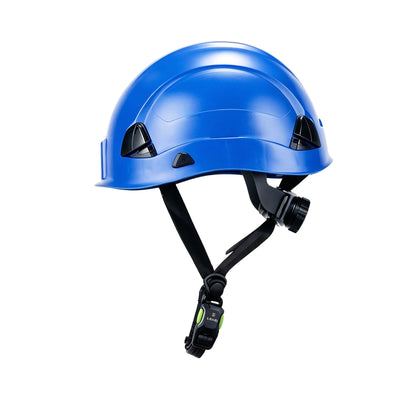
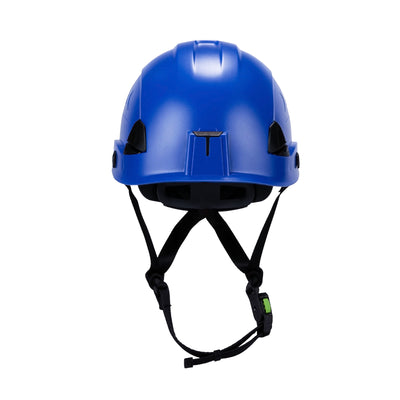
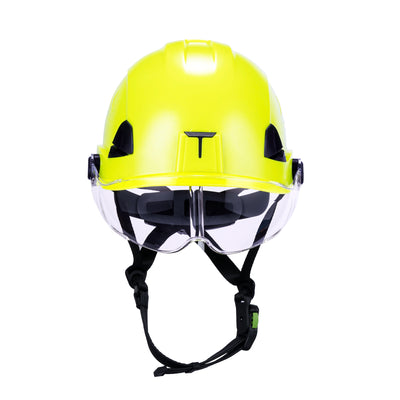
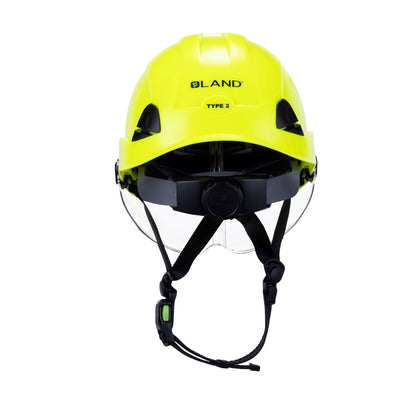
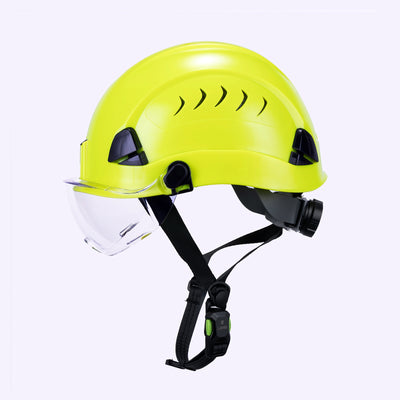
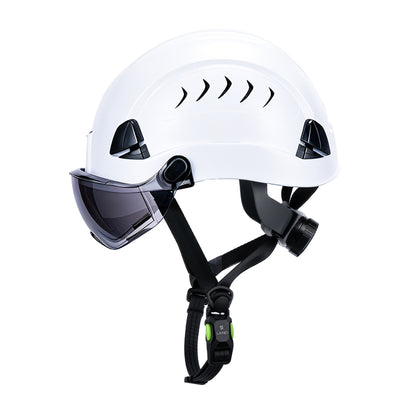
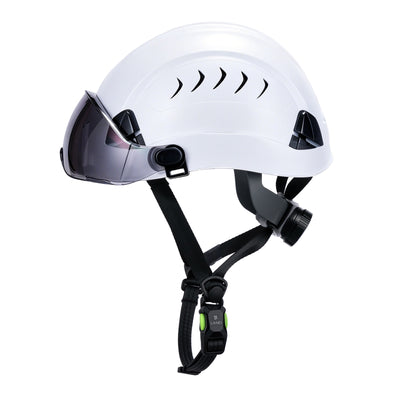
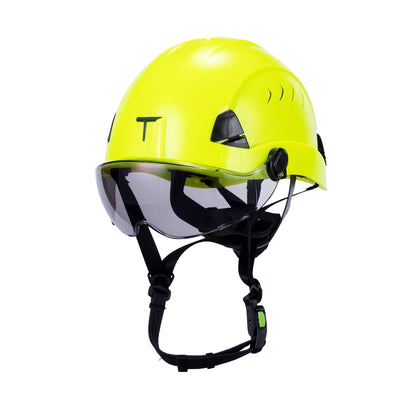
Selected LAND safety helmets feature a magnetic chinstrap buckle designed for quick, intuitive fastening.
When the two buckle components are brought together, magnetic guidance helps align the connection and draw it into position. This provides several practical benefits for construction crews:
- Faster buckle alignment
- Convenient fastening during repeated use
- Easy helmet removal
- Less frustration when wearing work gloves
- Support for more consistent chinstrap use
- A clean, modern helmet design
The magnetic feature assists with alignment, but the user should still confirm that the buckle is fully engaged. After fastening, the worker should perform a gentle pull check and adjust the chinstrap so the helmet remains secure without restricting breathing, speaking, or normal head movement.
A magnetic buckle does not replace correct fitting. It makes an important helmet component easier and more convenient to use throughout the workday.
4. Consider Heat, Weight and Balance
Construction crews may wear their helmets for many hours, often in hot weather or physically demanding conditions. Comfort can therefore affect productivity as well as worker acceptance.
Important design considerations include:
Ventilation
Vented helmets may improve airflow in appropriate work environments. However, ventilation should never be selected when the job requires electrical protection.
Weight distribution
A lightweight helmet can reduce fatigue, but overall balance is equally important. A helmet that places too much weight toward the front or rear may feel uncomfortable even when its total weight is relatively low.
Suspension and padding
The suspension should distribute pressure evenly. Forehead pads and other comfort components should reduce pressure without making the helmet excessively hot or difficult to clean.
Chinstrap position
The chinstrap should remain comfortably under the chin without rubbing against the neck or pulling the helmet out of position.
When workers repeatedly adjust or remove their helmets, contractors should determine whether the problem involves fit, heat, balance, pressure points, or accessory interference.
5. Accessories Must Work as a Complete System
Construction workers often need face, eye, and hearing protection in addition to a helmet. Common accessories include:
- Clear or tinted face shields
- Mesh visors
- Helmet-mounted earmuffs
- Safety glasses
- Headlamps
- Communication equipment
- Identification or high-visibility elements
Accessories can change the helmet’s balance and fit. A face shield may add weight to the front, while earmuffs may create pressure around the sides. Poorly matched components may interfere with one another or make the helmet less comfortable.
OSHA advises employers to consider head protection that supports manufacturer-compatible face shields, goggles, hearing protection, and communication devices. Accessories should also be inspected to ensure they remain securely attached and function correctly.
For contractors, purchasing a compatible helmet system can simplify ordering, replacement, training, and inventory management across multiple crews.
6. Keep Inspection and Maintenance Simple
A construction helmet should be easy for workers and supervisors to inspect before use.
The daily check should include:
- Shell cracks, dents, deformation, or deep damage
- Impact-liner cracks or compression
- Suspension straps and attachment points
- Ratchet operation
- Chinstrap webbing, stitching, and anchors
- Magnetic buckle engagement and release
- Installed accessories
- Labels and certification markings
A helmet that experiences a significant impact should be removed from service, even when no external damage is visible. OSHA also recommends following the manufacturer’s service-life guidance, cleaning with mild soap and water, air-drying, and storing helmets away from direct sunlight, chemicals, and extreme temperatures.
A clear inspection routine helps contractors identify damaged equipment before it reaches the jobsite and makes replacement decisions more consistent.
7. Include Crews in the Selection Process
Specifications are important, but they do not tell contractors exactly how a helmet will feel during an eight- or ten-hour shift.
Before making a large purchase, consider allowing a small group of employees to test suitable models. Ask them to evaluate:
- Overall comfort
- Stability while bending and climbing
- Ease of ratchet adjustment
- Chinstrap comfort
- Magnetic buckle operation
- Heat buildup
- Weight and balance
- Compatibility with eyewear and earmuffs
- Face-shield operation
- Ease of cleaning
Worker feedback should not replace the job-hazard evaluation, but it can help contractors choose among helmets that meet their technical requirements. Grainger’s PPE guidance similarly recommends including workers in product evaluation and offering appropriate sizes and styles.
LAND Helmets: Designed for Practical Jobsite Use
LAND Helmets develops industrial head- and face-protection products for construction, utility, rescue, arborist, and professional work environments.
Available product features and configurations include:
- Type I and Type II safety helmets
- Class E electrical models
- Vented Class C models
- Adjustable suspension systems
- Magnetic chinstrap buckles on selected helmets
- Compatible face shields and mesh visors
- Helmet-mounted hearing protection
- Custom colors and specialty finishes
- Company-logo printing for qualifying orders
LAND’s magnetic buckle helps guide the chinstrap connection into position for quick and intuitive fastening. Combined with a properly adjusted suspension and chinstrap, it provides a more convenient everyday experience for workers who repeatedly put on and remove their helmets.
For contractors, the right safety helmet should do more than meet a specification. It should fit different crew members, remain stable during demanding work, integrate with required accessories, and be easy to inspect and maintain.
A comfortable, properly fitted construction safety helmet with an adjustable suspension and intuitive magnetic buckle can make correct daily helmet use simpler for both workers and supervisors.
Frequently Asked Questions
Why is a magnetic buckle useful on a construction safety helmet?
A magnetic buckle helps guide the chinstrap components into alignment, making the helmet faster and more intuitive to fasten. The worker should still perform a pull check to confirm full engagement.
Should construction contractors choose Type I or Type II helmets?
The selection depends on the hazards of the job. Type I focuses on top impacts, while Type II addresses impacts to both the top and sides of the head. OSHA suggests considering Type II helmets with chinstraps for many construction environments involving equipment, debris, awkward positions, and fall-related hazards.
What should workers inspect before using a safety helmet?
Workers should check the shell, impact liner, suspension, ratchet, chinstrap, buckle, accessories, and product labels. Damaged or impacted helmets should be removed from service according to the manufacturer’s instructions.