

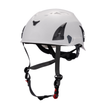


When choosing a safety helmet for construction, utility work, or industrial applications, understanding the difference between Class C and Class E safety helmets is essential.
Both classifications provide impact protection when the helmet meets the applicable ANSI/ISEA Z89.1 requirements. However, the key difference is electrical protection.
- Class C safety helmets: Provide impact protection but no electrical protection. Vented designs offer increased airflow for worker comfort.
- Class E safety helmets: Provide impact protection and are designed to reduce the danger of exposure to electrical hazards. Representative helmet samples are proof-tested at 20,000 volts under ANSI/ISEA Z89.1.
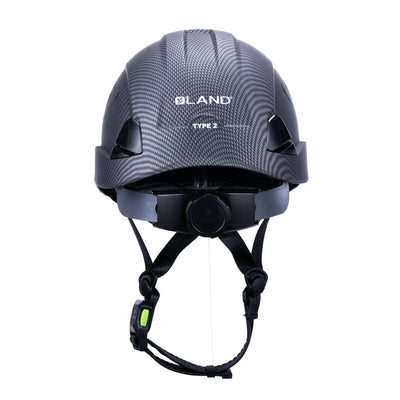
The LAND Frontier Type II safety helmet is available in both classifications, allowing workers and safety managers to select the appropriate version for their workplace hazards.
Let's compare their differences and explore which helmet may be right for your team.
Class C vs. Class E Safety Helmets: Quick Comparison
| Feature | Class C | Class E |
|---|---|---|
| Impact Protection | Type II (LAND Frontier) | Type II (LAND Frontier) |
| Ventilation | Vented (Frontier) | Non-vented (Frontier) |
| Electrical Protection | None | Class E electrical protection |
| 20,000V Proof Test | No | Yes |
| Common Applications | Non-electrical construction, outdoor maintenance | Electrical work, utilities, industrial maintenance |
| Main Advantage | Increased airflow | Electrical protection |
Key takeaway: Class C and Class E identify electrical protection classifications, while Type I and Type II identify impact protection characteristics.

What Is a Class C Safety Helmet?
A Class C safety helmet, also known as a Class C hard hat, is designed to provide impact protection without electrical insulation.
Class C stands for Conductive, meaning the helmet is not intended to protect against contact with electrical conductors.
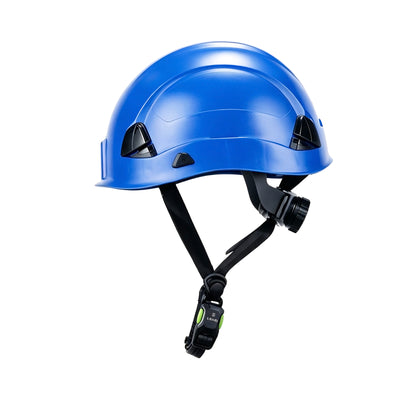
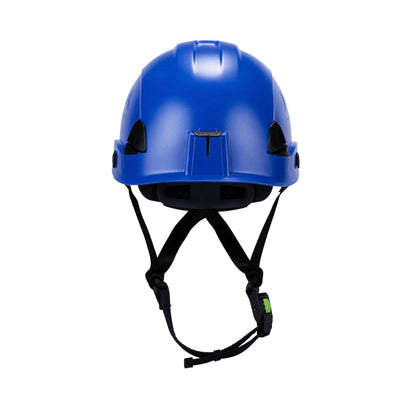
The LAND Frontier Type II Class C Safety Helmet features a vented shell that promotes airflow while delivering Type II impact protection.
When Should You Choose Class C?
Class C safety helmets may be suitable for:
- General construction without electrical exposure requiring electrically protective headwear
- Outdoor maintenance and infrastructure projects
- Arborist and work-at-height applications
- Industrial environments without electrical hazards requiring electrically protective headwear
- Physically demanding work where increased airflow is beneficial
Benefits of the LAND Frontier Class C
- Type II impact protection: Designed to reduce impact forces from the top, front, back, and sides.
- Vented construction: Allows increased airflow during physically demanding tasks.
- Adjustable fit: Helps provide a secure, comfortable fit throughout the workday.
- Accessory compatibility: Supports approved, compatible visors, headlamps, and other helmet accessories.
Best for: Workers who need Type II impact protection and ventilation in environments where electrical head protection is not required.
Explore the LAND Frontier Class C Safety Helmet
What Is a Class E Safety Helmet?
A Class E safety helmet is designed to reduce the danger of exposure to electrical hazards while also providing impact protection.
Class E stands for Electrical.
Under ANSI/ISEA Z89.1, representative Class E helmet samples must withstand a 20,000-volt electrical proof test under specified laboratory conditions.
Unlike the vented Class C model, the LAND Frontier Type II Class E Safety Helmet features a non-vented shell designed for applications requiring electrically protective headwear.
When Should You Choose Class E?
Class E safety helmets may be suitable for:
- Electrical installation and maintenance
- Utility and power distribution operations
- Industrial electrical environments
- Infrastructure projects involving electrical exposure
- Construction sites where electrical head protection is required
Benefits of the LAND Frontier Class E
- Type II impact protection: Designed to help protect against top and lateral impacts.
- Class E electrical protection: Meets applicable electrical insulation testing requirements.
- Non-vented construction: Supports the helmet's electrical protection design.
- Adjustable fit: Helps keep the helmet properly positioned during work.
- Compatible accessories: Allows the use of approved accessories appropriate for the work environment.
Best for: Utility professionals, electrical workers, and industrial teams requiring Type II impact protection with Class E electrical classification.
Explore the LAND Frontier Class E Safety Helmet
Important safety note: The 20,000-volt figure is a laboratory proof-test requirement, not a safe working-voltage rating. Class E helmets are not a substitute for electrical isolation, safe work practices, or other required PPE. Always follow your employer's hazard assessment and applicable electrical safety requirements.

What Does Type II Mean on a Safety Helmet?
When comparing safety helmets, it's important to understand that helmet type and helmet class describe different protective characteristics.
Type I vs. Type II Impact Protection
- Type I safety helmets: Designed to reduce impact forces from blows to the top of the head.
- Type II safety helmets: Designed and tested to reduce impact forces from the top as well as lateral impacts from the front, back, and sides.
Class C vs. Class E Electrical Protection
- Class C: No electrical protection.
- Class E: Electrical protection with a 20,000-volt laboratory proof-test requirement.
Both LAND Frontier models feature Type II impact protection, allowing customers to choose between vented Class C and non-vented Class E configurations.
Understanding these distinctions helps safety managers select head protection according to the hazards encountered on the job.
For more information, read our guide to understanding ANSI safety helmet labels.
Can You Add Accessories to LAND Frontier Class C and Class E Helmets?
Yes. Both LAND Frontier models support compatible accessories designed to expand helmet functionality for different work environments.
Available accessory options include:
- Clear and smoke visors: Provide applicable eye protection while maintaining visibility.
- Hearing protection earmuffs: Help protect workers in noisy environments when properly selected and fitted.
- Helmet-mounted headlamps: Provide hands-free lighting in low-light work areas.
- Protective face shields: Add face protection for appropriate workplace hazards.
- Helmet sunshades: Help provide shade during outdoor work.
Whether you're outfitting a construction team or configuring helmets for utility work, the LAND Frontier platform offers accessory options to support a range of job requirements.
One helmet platform. Multiple ways to work.
Explore LAND Safety Helmet Accessories
Safety reminder: Always verify that accessories are approved or permitted for the specific helmet model and do not compromise its impact or electrical protection. Accessories must also meet any applicable PPE requirements.

Frequently Asked Questions About Class C and Class E Safety Helmets
What is the main difference between Class C and Class E hard hats?
The primary difference is electrical protection.
Class C hard hats provide impact protection but no electrical insulation. Class E hard hats provide impact protection and meet additional electrical insulation requirements under ANSI/ISEA Z89.1.
What does Class E mean on a safety helmet?
Class E stands for Electrical. This classification identifies helmets designed to reduce the danger of exposure to electrical conductors. Representative helmet samples must withstand a 20,000-volt proof test under specified laboratory conditions.
Can electricians wear vented Class C safety helmets?
Class C helmets should not be used when the workplace hazard assessment requires electrically protective headwear.
Electricians working in environments with applicable electrical exposure hazards should use head protection with the electrical classification required by their employer's safety program.
Is a Class E safety helmet also Type II?
Yes, a Class E helmet can also be Type II.
Type II describes impact protection, while Class E describes electrical protection. The LAND Frontier Type II Class E combines both classifications.
Can Class E safety helmets be used for regular construction work?
Yes. Class E helmets can be appropriate for general construction environments, provided their impact protection, fit, accessories, and other characteristics satisfy the job's safety requirements.
Does a Class E helmet provide arc-flash protection?
Not automatically.
Class E electrical insulation does not establish an arc-flash protection rating. Arc-flash hazards require a separate assessment and appropriate arc-rated PPE when applicable.
Which safety helmet is better for utility workers?
For utility operations requiring electrically protective headwear, Class E is generally the appropriate classification.
For work without electrical hazards requiring electrically protective headwear, a Class C helmet may be appropriate when permitted by the employer's hazard assessment.
The correct selection depends on the specific jobsite hazards and PPE requirements.
Which LAND Frontier Safety Helmet Should You Choose?
Choosing the right safety helmet begins with identifying the hazards in your work environment.
Choose the LAND Frontier Type II Class C if:
- Your job does not require electrical head protection.
- You prefer a vented helmet for increased airflow.
- You need Type II impact protection for demanding work environments.
Shop LAND Frontier Type II Class C
Choose the LAND Frontier Type II Class E if:
- Your work requires electrically protective headwear.
- You need a non-vented, Class E-rated helmet.
- You want Type II impact protection combined with Class E electrical classification.
Shop LAND Frontier Type II Class E
Both versions are built around the LAND Frontier Type II platform, with compatible accessories available to help configure your safety equipment for the job.
Protect your team with head protection designed around real workplace hazards.
EXPLORE FRONTIER ACCESSORIES & KITS
LAND Helmets
5480 Katella Ave #212, Los Alamitos, CA 90720, USA
Phone: (714) 886-2013
Email: info@landhelmets.com
Contact LAND Helmets for product information, accessory compatibility, or order assistance.