

How to Read an ANSI Safety Helmet Label | LAND Helmets
A safety helmet may look simple from the outside, but the label inside the shell contains important information about its tested protection, electrical classification, size, manufacturing date, and approved use.
Understanding these markings helps safety managers and workers answer essential questions:
- Does this helmet provide top-impact or lateral-impact protection?
- Is it suitable for electrical work?
- How old is the helmet?
- Can it be worn backward?
- Is it the correct size for the employee?
- Does it meet the standard required by the employer?
Before issuing or wearing a safety helmet, take a moment to inspect the label. Here is what each marking means.
Where Is the Safety Helmet Label Located?
The primary certification label or permanent marking is normally found inside the helmet shell. Depending on the helmet design, information may be printed on a label, molded directly into the shell, or divided between several markings.
The exact layout varies by manufacturer and model, but the information should remain legible and should not be removed, altered, or covered.
ANSI/ISEA marking requirements include the manufacturer’s name, date of manufacture, applicable ANSI/ISEA Z89.1 designation, helmet type and class, approximate head-size range, and any applicable optional markings.
1. Manufacturer and Model Identification
The label should identify the helmet manufacturer. It may also include:
- Product or model name
- Style number
- Part number
- Lot or batch number
- Color or variation code
This information allows the employer or user to locate the correct instruction manual, replacement components, accessories, certification documents, and warranty information.
For LAND helmets, always use documentation that corresponds to the exact model and configuration. Instructions for one product should not automatically be applied to a different helmet.
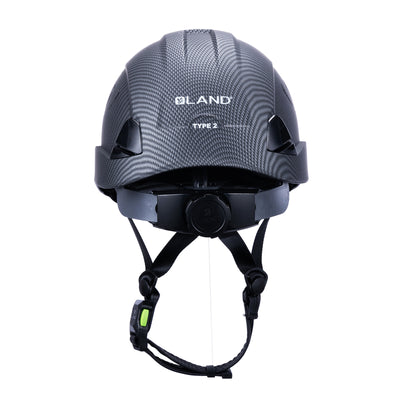
For example, a Frontier Type II Class E non-vented helmet has different electrical properties from a Frontier Type II Class C vented helmet, even though both products belong to the Frontier family. LAND currently offers both Type II Class C and Type II Class E Frontier configurations.
2. ANSI/ISEA Z89.1 Standard Marking
A compliant industrial safety helmet should identify the standard to which it was tested, such as:
ANSI/ISEA Z89.1-2014 (R2019)
ANSI/ISEA Z89.1 establishes performance and testing requirements for industrial head protection. It classifies helmets by impact type and electrical class.
The year identifies the edition of the standard used for the product’s evaluation. A newer year does not necessarily mean that an older helmet is automatically unsafe, but employers must ensure that the helmet satisfies the standards and workplace requirements applicable to their operations.
OSHA’s general-industry and construction rules require employers to provide appropriate head protection when employees face specified impact or electrical hazards. The employer remains responsible for conducting a workplace hazard assessment and selecting suitable protection.
Important distinction
ANSI develops or approves consensus standards. OSHA establishes and enforces workplace-safety regulations.
A helmet label may show compliance with an ANSI/ISEA standard, but the employer must still determine whether that helmet is appropriate for the hazards present at the specific jobsite.
3. Helmet Type: Type I or Type II
The helmet’s type describes the direction of impact protection.
Type I
A Type I helmet is designed to reduce the force of impacts primarily to the top of the head.
Type I protection may be selected where the primary identified hazard is a falling object or overhead impact.
LAND Type I options currently include products such as:
- AeroPro Type I Class C
- EcoPro Type I Class C
- EcoPro Type I Class E
- ShieldPro Type I Class C
- ShieldPro Type I Class E and G
LAND’s current catalog includes vented Class C models and non-vented electrical-protection models across these product lines.
Type II
A Type II helmet is tested for impact protection from the top and for lateral impacts from the front, back, and sides. Type II requirements also include additional performance criteria such as off-center penetration and chin-strap retention.
Type II helmets may be appropriate for environments involving:
- Work at height
- Slips, trips, and falls
- Moving equipment
- Confined or restricted spaces
- Utility and infrastructure work
- Construction sites with multidirectional impact risks
OSHA’s 2024 safety-helmet bulletin recommends that employers consider Type II protection with chin straps for construction environments involving falling debris, equipment impacts, awkward positions, or fall hazards. The final selection must still be based on the employer’s own hazard assessment.
LAND Type II options include:
- Frontier Type II Class C, vented
- Frontier Type II Class E, non-vented
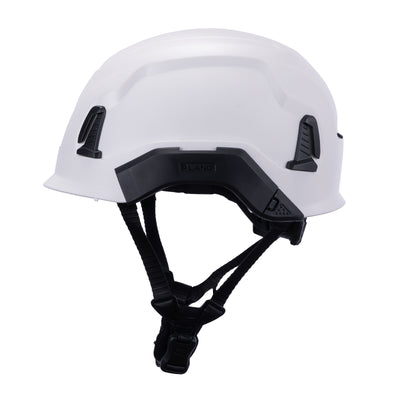
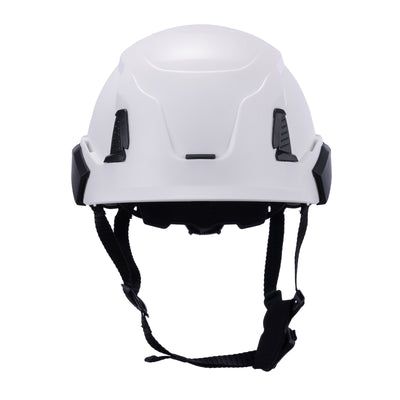
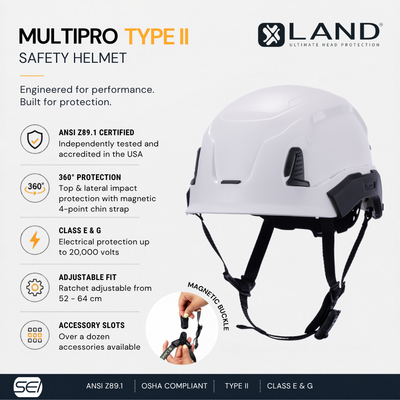
- MultiPro Type II Class E
The Frontier Type II Class E model is designed with a non-vented shell and is marketed as meeting ANSI/ISEA Z89.1-2014 (R2019) Type II and Class E requirements.
4. Electrical Class: C, G, or E
The helmet’s class describes its tested electrical-insulation performance. It is separate from the impact type.
Class C — Conductive
Class C helmets are not intended to provide protection against contact with electrical hazards.
Many Class C helmets include ventilation because electrical insulation is not their intended function. They may be suitable for general construction or industrial work when the hazard assessment does not require electrical protection.
Class G — General
Class G helmets are proof-tested at 2,200 volts and are intended to reduce exposure to lower-voltage electrical conductors.
Class E — Electrical
Class E helmets are proof-tested at 20,000 volts and are intended to reduce exposure to higher-voltage conductors.
A Class E marking does not mean that the wearer can safely contact energized equipment. The helmet is one part of a larger electrical-safety program and does not replace required approach distances, insulation practices, lockout procedures, or other PPE.
Vented versus non-vented helmets
A vented safety helmet should not be assumed to provide Class E electrical protection. OSHA’s safety-helmet bulletin advises that vented helmets should not be used for electrical work requiring electrical protection.
For example:
- Frontier Type II Class C: vented; no electrical-protection claim.
- Frontier Type II Class E: non-vented; intended for environments requiring the helmet’s Class E rating.
- EcoPro Type I Class E: non-vented electrical-protection option.
- MultiPro Type II Class E: non-vented Type II electrical-protection option.
Always check the actual label rather than determining the class from the helmet’s appearance, color, or product family.
5. Manufacturing Date Code
The inside of the shell should include a manufacturing date or date code.
A molded date code often resembles a small circular clock. Numbers around the outside may identify the year, while an arrow or indicator identifies the month. Other manufacturers may use a printed month-and-year format or a traceable batch code.
The manufacturing date is not automatically an expiration date
A date code tells you when the shell was manufactured. It does not, by itself, establish a universal expiration date.
The helmet’s service life depends on factors including:
- Manufacturer instructions
- Frequency of use
- Sunlight and ultraviolet exposure
- Extreme temperatures
- Chemical exposure
- Storage conditions
- Impacts, drops, or rough handling
- Condition of the shell, liner, suspension, and chin strap
OSHA recommends following the manufacturer’s service-life guidance and immediately retiring a helmet after a significant impact or when damage or degradation is identified—even when damage is not visible.
Employers should record both the manufacturing date and the date the helmet was first placed into service.
6. Head-Size Range
The label may show the approximate head-size range, often in centimeters.
For example:
52–64 cm
This identifies the circumference range for which the helmet’s fit system was designed.
A helmet is not suitable merely because it can be placed on the employee’s head. It should:
- Sit securely and in the intended position
- Remain stable during movement
- Avoid excessive pressure points
- Not slip forward, backward, or sideways
- Allow the suspension or liner to function correctly
OSHA advises that head protection must fit properly and should not bind, slip, fall off, or irritate the wearer.
Employees should adjust both the ratchet system and chin strap according to the product instructions before beginning work.
7. Optional LT, HT, and HV Markings
Some labels include optional performance markings.
LT — Lower Temperature
The LT marking indicates that the helmet has passed applicable testing after lower-temperature conditioning.
This may be relevant for workers operating in cold-storage facilities, winter construction, utilities, transportation, and other cold environments.
HT — Higher Temperature
The HT marking indicates additional high-temperature performance under the applicable standard.
This may be relevant in foundries, high-heat industrial operations, or environments involving hot materials.
HV — High Visibility
The HV marking indicates that the helmet color has met specified high-visibility testing requirements.
A bright-colored helmet is not automatically an ANSI high-visibility helmet. Look for the actual HV marking when this optional classification is required. OSHA’s safety-helmet bulletin identifies LT, HT, and HV as specific label markings associated with these performance options.
Do not claim any optional designation unless it appears on the helmet label or in the manufacturer’s documentation for that exact model.
8. Reverse-Donning Mark
Some industrial hard hats are tested so that they may be worn with the front facing backward. These products carry a specific reverse-donning or reverse-wearing symbol.
A helmet should only be worn backward when:
- The helmet has the appropriate reverse-donning marking.
- The manufacturer’s instructions permit it.
- The suspension has been configured correctly.
- Wearing it backward does not interfere with the chin strap, fit system, accessories, or intended protection.
OSHA states that only head protection carrying a reverse-wearing label or mark should be worn in reverse.
A climbing-style or safety-helmet design should not automatically be reversed simply because it has no traditional front brim.
9. Third-Party Certification Marks
Some helmets may display the mark of an independent certification organization, such as SEI.
A third-party certification mark generally indicates that an outside certification body has evaluated the product and may conduct continuing conformity or quality-assurance oversight under its program.
However, users should still verify:
- The exact model covered
- The applicable standard and edition
- The certified type and class
- Whether the certification remains current
- Whether the helmet has been modified
LAND identifies its Frontier Type II Class E helmet as SEI certified and as meeting ANSI/ISEA Z89.1-2014 (R2019) Type II and Class E requirements.
Certification for one model or variation should not be assumed to cover every helmet sold under the same brand.
10. Accessories and Approved Configurations
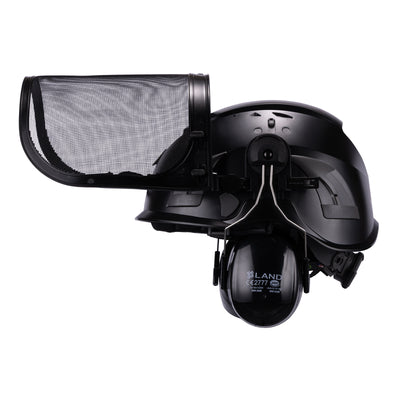
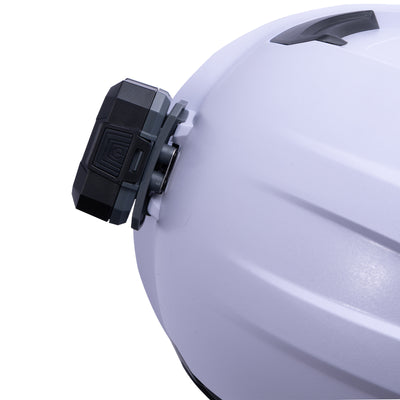
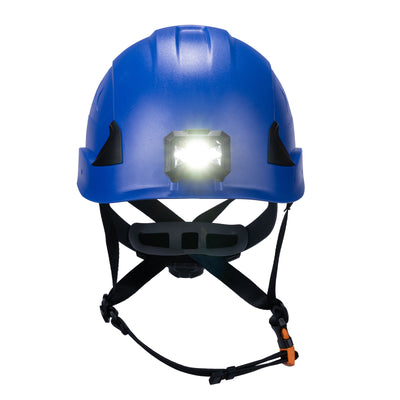
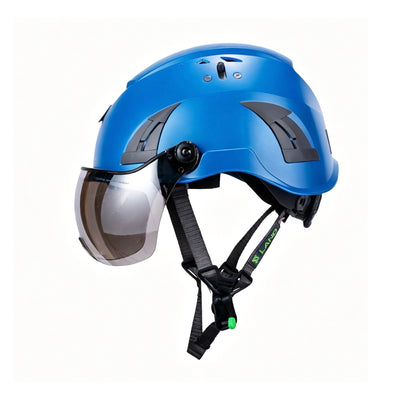
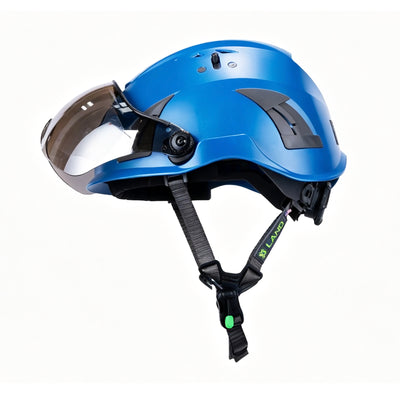
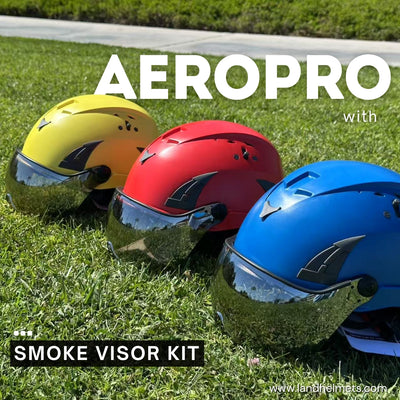
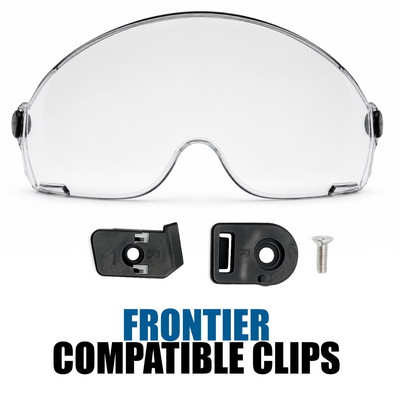
The helmet label does not provide every detail about accessory compatibility. Users should also consult the instruction manual and product documentation before installing:
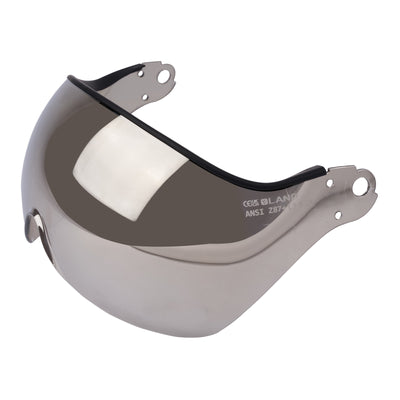
- Face shields
- Visors
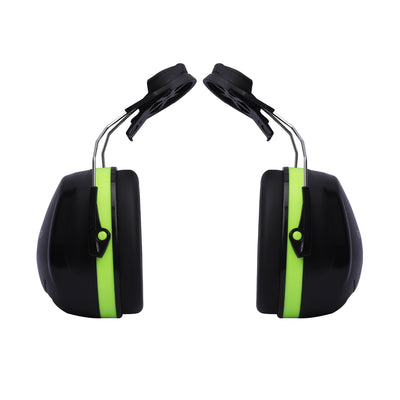
- Earmuffs
- Headlamps
- Sunshades
- Winter liners
- Identification holders
- Communication devices
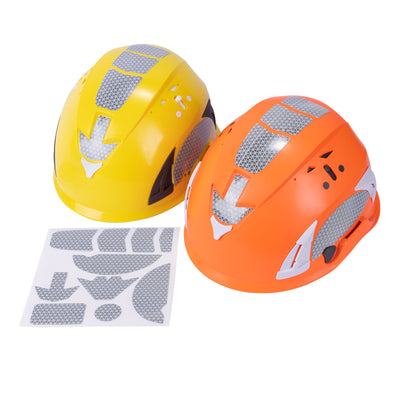
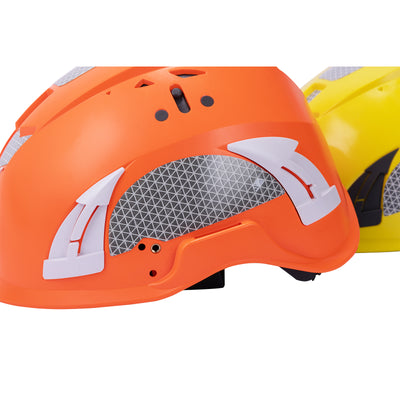
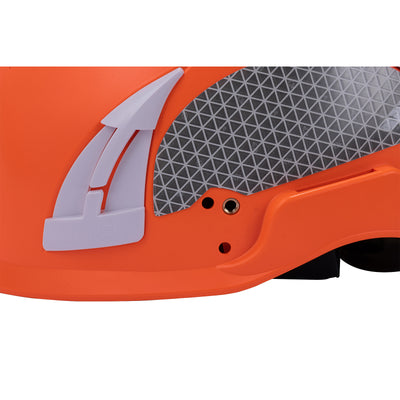
- Reflective labels or company logos
OSHA advises employers to use manufacturer-compatible features and to inspect accessories for secure attachment, damage, and correct function.
Do not drill holes into the shell or install unapproved hardware. Paints, solvents, adhesives, and cleaning products may affect shell integrity or electrical performance. OSHA recommends consulting the manufacturer regarding acceptable cleaning and marking materials.
When ordering custom LAND helmets, use LAND-approved printing and placement methods so that required markings and inspection areas remain visible.
A Quick Helmet-Label Checklist
Before issuing a helmet, confirm that the label shows or supports the following:
| Label information | What to verify |
|---|---|
| Manufacturer | The company responsible for the helmet |
| Model or product identification | Matches the manual and purchase records |
| ANSI/ISEA standard | The standard and edition applicable to the helmet |
| Type | Type I or Type II |
| Electrical class | Class C, G, or E |
| Manufacturing date | Legible and recorded |
| Head-size range | Appropriate for the wearer |
| Optional markings | LT, HT, HV, or reverse donning, when applicable |
| Certification mark | Applies to the exact model and configuration |
| Condition of label | Legible, secure, and not altered |
What Should You Do If the Label Is Missing or Unreadable?
A missing or unreadable label makes it difficult to verify the helmet’s identity, type, class, age, and tested performance.
Do not guess based on appearance.
Remove the helmet from service temporarily and contact the manufacturer or supplier with:
- Photographs of the helmet
- Product name or purchase record
- Molded shell markings
- Batch or lot information
- Approximate purchase date
- Color and configuration
If the helmet cannot be positively identified and its protection cannot be verified, it should not be issued for work requiring certified head protection.
LAND Helmet Examples
LAND provides different helmet configurations for different workplace needs:
| LAND helmet | Impact type | Electrical class | General configuration |
|---|---|---|---|
| AeroPro | Type I | Class C | Vented |
| EcoPro vented | Type I | Class C | Vented |
| EcoPro non-vented | Type I | Class E | Electrical protection |
| ShieldPro vented | Type I | Class C | Full brim |
| ShieldPro non-vented | Type I | Class E/G | Full brim electrical option |
| Frontier vented | Type II | Class C | Lateral-impact protection |
| Frontier non-vented | Type II | Class E | Lateral and electrical protection |
| MultiPro | Type II | Class E | Adaptable, non-vented helmet system |
These classifications are based on LAND’s current online product catalog. Always verify the label on the individual helmet because product offerings and configurations may be updated.
Final Takeaway
The label inside a safety helmet is NOT simply a manufacturing sticker. It is a quick reference to the helmet’s tested protection and approved use.
Before placing a helmet into service, verify:
the manufacturer, model, standard, type, electrical class, manufacturing date, size range, and optional markings.
The label should then be used together with:
- The manufacturer’s instruction manual
- The employer’s hazard assessment
- Jobsite PPE requirements
- Daily inspection procedures
- Training on proper fit and use
- Approved accessories and replacement components
When the markings and workplace hazards do not match, choose a different helmet.
Need Help Choosing the Correct LAND Helmet?
LAND offers Type I and Type II safety helmets in vented Class C and non-vented electrical-protection configurations for construction, utility, industrial, rescue, and work-at-height applications.
Contact LAND for help with:
- Helmet selection
- Type and class requirements
- Product manuals
- Certification documents
- Employee-training materials
- Approved accessories
- Custom logo printing
- Bulk and distributor orders
Explore LAND Safety Helmets www.landhelmets.com
Contact the LAND Safety Team @ info@landhelmets.com, whatsapp/Phone 657-762-7550