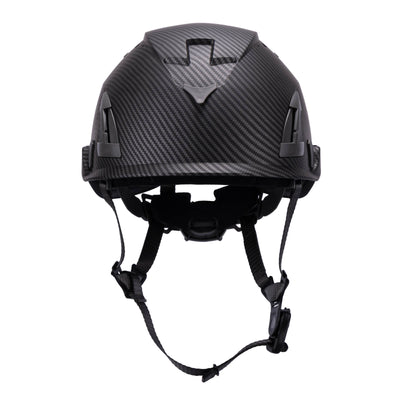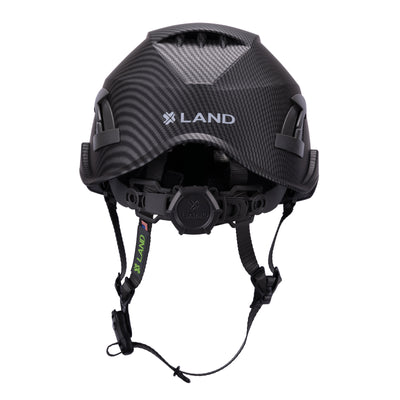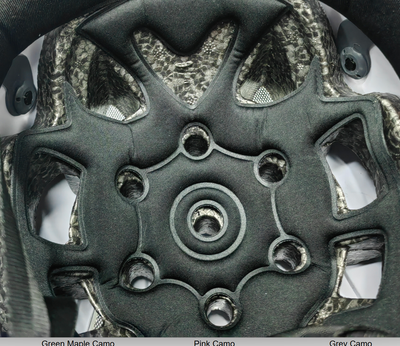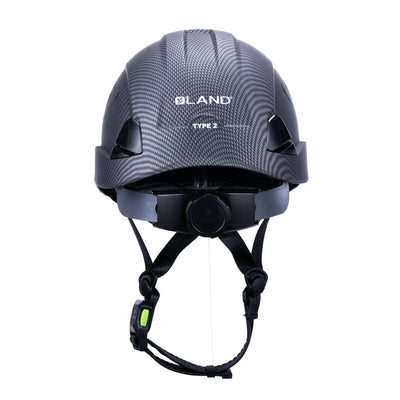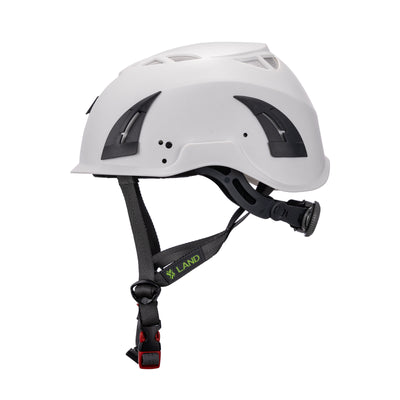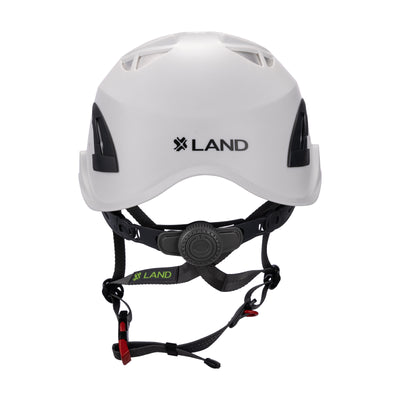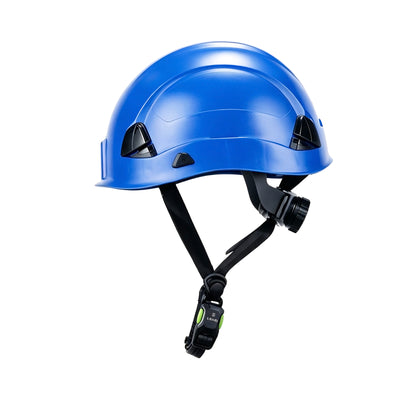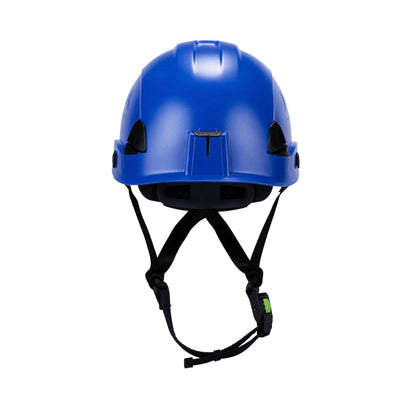


Choosing the right safety helmet is an essential step in protecting workers across construction sites, industrial facilities, utility operations, and other demanding work environments. The right helmet should match the hazards present on the job, provide an appropriate level of impact protection, and remain comfortable enough for consistent use throughout the workday.
However, not every safety helmet provides the same protection. A Type 1 safety helmet, Type 2 safety helmet, and Class C safety helmet serve different purposes. Understanding these classifications helps employers, contractors, and individual workers make informed purchasing decisions.
Whether you are equipping a construction crew or replacing outdated head protection, this guide explains how to evaluate safety helmets, compare important features, and select suitable hard hats for construction and industrial work.
Why Choosing the Right Safety Helmet Matters
Workplace head injuries can result from falling objects, accidental impacts, collisions with equipment, and other job-related hazards. Depending on the environment, workers may also face electrical risks, restricted overhead spaces, and challenging weather conditions.
A suitable safety helmet helps reduce exposure to identified hazards when properly selected, fitted, inspected, and maintained. In the United States, OSHA's construction and general-industry regulations establish requirements for head protection in workplaces where head-injury hazards exist.
Employers should conduct a workplace hazard assessment before selecting protective equipment. Consider the type of work being performed, potential impact directions, electrical exposure, compatibility with other personal protective equipment (PPE), and applicable site requirements.
Start by exploring LAND Helmets to understand the available head-protection solutions for different professional applications.
Understand Type 1 and Type 2 Safety Helmets
One of the most important decisions when purchasing a safety helmet is choosing the appropriate impact-protection type. Under ANSI/ISEA Z89.1 classifications, Type I and Type II helmets are designed to address different impact hazards.
What Is a Type 1 Safety Helmet?

A Type 1 safety helmet is designed to reduce the force of an impact to the top of the head. It may be suitable for work environments where overhead hazards, such as falling tools or materials, are the primary concern.
Common applications may include general construction, maintenance, manufacturing, and certain industrial tasks, depending on the site's hazard assessment.
When evaluating a Type 1 helmet, consider its suspension system, fit adjustment, shell condition, ventilation, and compatibility with accessories such as visors or hearing protection.
A Type 1 helmet should not automatically be considered sufficient for every construction environment. If workers face meaningful lateral-impact hazards, a Type 2 design may be more appropriate.
What Is a Type 2 Safety Helmet?

A Type 2 safety helmet is designed to reduce impact forces from both the top and the sides of the head. This additional coverage can be important in workplaces where workers may strike structures, encounter moving equipment, or experience falls that create off-center impacts.
Type 2 helmets may be worth evaluating for construction, utility work, telecommunications, infrastructure projects, and other environments with multidirectional impact hazards.
Compare the specific helmet's certification, fit system, chin-strap options, ventilation, and compatibility with required PPE. A Type 2 designation alone does not establish protection against every workplace hazard.
What Does Class C Mean in a Safety Helmet?

Helmet type and helmet class describe different aspects of protection. The type identifies the helmet's impact-protection category, while the class addresses electrical performance.
A Class C safety helmet, also called a conductive helmet, provides impact and penetration protection but does not provide electrical protection under the relevant classification. Workers should not rely on a Class C helmet where electrical hazards require electrically rated head protection.
Class C helmets may be considered for suitable non-electrical environments, including certain construction, maintenance, and industrial applications. However, the complete workplace hazard assessment determines whether a particular model is appropriate.
For electrical work or potential contact with energized conductors, evaluate helmets with the appropriate electrical classification, such as Class G or Class E, according to the exposure and applicable requirements. Class G is tested for general electrical protection, while Class E provides a higher level of electrical insulation testing.
Never assume that a helmet is electrically protective simply because it has a hard outer shell or is described as industrial-grade. Always check the manufacturer's markings and product documentation.
Five Factors to Consider When Buying Hard Hats for Construction
Selecting hard hats for construction requires more than comparing prices. The following factors help buyers evaluate their options.
1. Workplace Hazards and Required Protection
Identify potential falling-object, top-impact, lateral-impact, penetration, and electrical hazards before choosing a model. Review site rules and applicable OSHA requirements, and consult a qualified safety professional when necessary.
A helmet suitable for one project may not be suitable for another. Reassess the selection whenever work activities or site conditions change.
2. Fit, Comfort, and Adjustability
A helmet must fit securely to provide its intended protection. Look for an adjustable suspension or ratchet system that accommodates the wearer's head size without excessive movement.
For long shifts, consider weight distribution, padding, sweat management, and overall comfort. A helmet that fits correctly and feels comfortable is easier to wear consistently.
Where the job requires a chin strap, make sure the selected helmet and strap system are compatible and used according to the manufacturer's instructions.
3. Ventilation and Weather Conditions
Vented safety helmets can improve airflow in hot working environments. However, ventilation openings should never be treated as evidence of electrical protection.
For work involving electrical hazards, select the appropriate certified helmet configuration rather than choosing ventilation based on comfort alone.
Consider outdoor temperatures, exposure to rain, and the need for additional protective equipment. The manufacturer's specifications should guide your final decision.
4. Accessory Compatibility
Some jobs require face shields, safety visors, earmuffs, headlamps, or other accessories. Confirm that these accessories are approved for use with the specific helmet model.
An incompatible accessory can interfere with fit, suspension, or intended protection. Avoid modifying the shell or attaching unapproved components.
For teams purchasing multiple helmets, standardizing compatible accessories can simplify inventory management and replacement.
5. Certification, Durability, and Maintenance
Check the helmet's certification markings, manufacturer information, applicable standard, and product-specific limitations before ordering.
Inspect the shell and suspension regularly for cracks, deformation, deterioration, or other damage. Replace equipment when required by the manufacturer or workplace safety procedures, including after an impact when instructed.
Do not assume that every helmet has the same replacement interval. Service life depends on the manufacturer's guidance, product condition, exposure, and applicable requirements.
How to Compare Safety Helmets Before Purchasing
Once you understand the required protection, compare the available models against a consistent checklist.
-
Protection: Does the helmet's type and class match the identified hazards?
-
Fit: Can each wearer adjust it securely?
-
Compatibility: Will required visors, hearing protection, and other accessories fit correctly?
-
Documentation: Are the applicable certification and manufacturer instructions available?
-
Cost: Does the price make sense when considered alongside durability, required accessories, and replacement needs?
-
Supply: Can the supplier support future replacements and larger team orders?
If you are comparing models for a crew, document the reasons for selecting each helmet. This makes procurement decisions easier to explain and helps maintain consistency when replacement equipment is needed.
Review the LAND Helmets Safety Helmets Collection to compare available helmet options for different professional applications. Check each product listing for its exact type, class, features, and compatibility details before purchasing.
Seven Frequently Asked Questions About Safety Helmets
1. What Is the Difference Between a Type 1 and Type 2 Safety Helmet?
A Type 1 safety helmet is designed for top-impact protection. A Type 2 safety helmet is designed for top and lateral-impact protection. The appropriate choice depends on the hazards identified at the workplace.
2. Is a Class C Safety Helmet Suitable for Construction?
A Class C safety helmet may be suitable for construction tasks when its impact protection meets the identified hazards and electrical protection is not required. It should not be relied upon for electrical protection.
3. Which Safety Helmet Is Best for Construction Workers?
The best safety helmet depends on the site's impact hazards, electrical risks, required certification, fit, and accessory needs. Some jobs may require Type 1 protection, while others may benefit from Type 2 helmets.
4. Does a Type 2 Safety Helmet Provide Electrical Protection?
Not automatically. Type 2 describes impact protection, not electrical classification. Check whether the specific helmet is rated Class G, Class E, or Class C and verify its documented capabilities.
5. How Often Should a Safety Helmet Be Replaced?
Follow the manufacturer's service-life and inspection guidance. Replace a helmet when it is damaged, deteriorated, or otherwise no longer suitable for use. Follow manufacturer instructions after any impact and applicable workplace procedures.
6. Can I Attach a Face Shield or Headlamp to My Safety Helmet?
Only when the accessory is compatible with the helmet model and approved for the intended application. Confirm compatibility with the manufacturer's documentation before installation.
7. How Can I Choose the Right Safety Helmet for My Team?
Start with a documented hazard assessment, identify the required helmet type and class, confirm fit and accessory compatibility, and compare product documentation. For larger orders, ask the supplier about availability, replacement options, and team purchasing requirements.
Conclusion
Choosing the right safety helmet starts with understanding the hazards workers face every day. Type 1 helmets are designed for top-impact protection, Type 2 helmets address top and lateral impacts, and Class C helmets do not provide electrical protection. These distinctions are essential when selecting appropriate hard hats for construction and industrial work.
Fit, comfort, ventilation, accessory compatibility, and maintenance also matter when evaluating long-term suitability. By prioritizing documented protection requirements over appearance or price alone, employers and workers can make more informed purchasing decisions.
Explore LAND Helmets' range of professional head-protection options, compare the specifications of individual models, and select equipment that aligns with your workplace requirements. Always follow applicable safety regulations, manufacturer instructions, and your organization's PPE procedures.
LAND Helmets
Address: 5480 Katella Ave #212, Los Alamitos, CA 90720, USA
Phone: (714) 886-2013
Email: info@landhelmets.com
For product questions, compatibility information, or assistance with helmet selection, contact the LAND Helmets team through the official website.