

From Pattern to Helmet: Developing a New Desert Camo Print at LAND
A helmet does not have to start and end with a solid color.
At LAND, we have been exploring different ways to bring more visual options to our helmets, including camouflage patterns and other printed finishes.
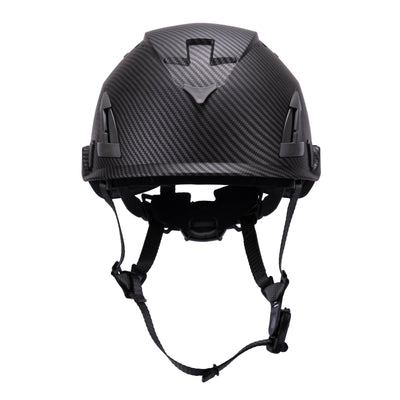
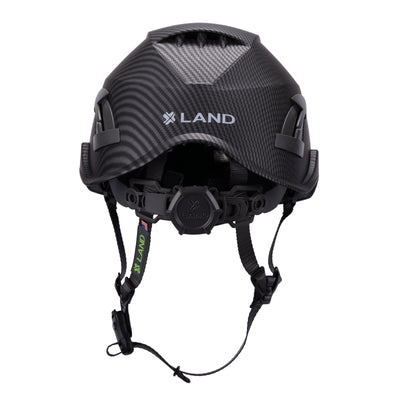
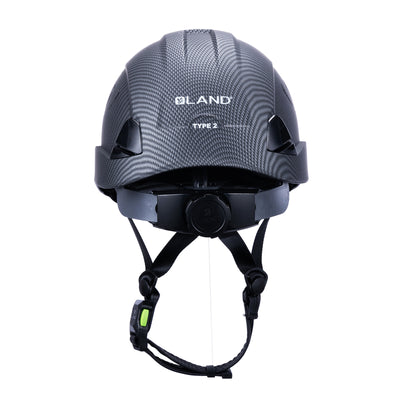
One of our latest experiments is a new Desert Camo pattern, developed using water transfer printing to wrap the design across the curves and geometry of a helmet shell.
But getting from a pattern on a screen to a finished helmet takes more work than simply choosing a print.
It requires testing, adjustment, and careful implementation.

Designing the Desert Camo Pattern
The process starts with the pattern itself.
For this design, we wanted a camouflage print built around sand, tan, brown, and neutral desert tones. The goal was to create something rugged and distinctive while still working visually across the shape of a helmet.
And that shape matters.
A pattern that looks good as a flat graphic can look completely different once it is wrapped around a three-dimensional shell. The scale, positioning, direction, and spacing of the pattern all affect the finished appearance.
That means the pattern has to be developed with the helmet in mind—not just the artwork.

Taking the Pattern From Flat to 3D
Once the design is selected, the next challenge is applying it consistently to the helmet.
For this type of finish, we use water transfer printing, also known as hydro dipping.
Unlike traditional printing on a flat surface, water transfer printing allows a detailed graphic to conform to complex three-dimensional shapes.
That makes it especially useful for helmet shells.
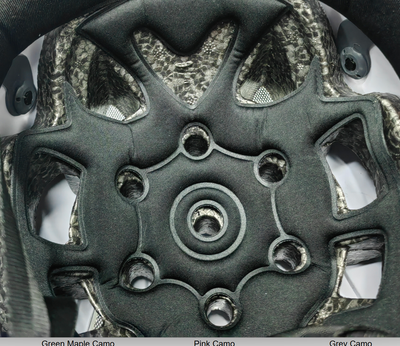
However, the process also introduces new challenges. Curves, edges, recessed areas, and changes in the helmet's geometry can stretch or distort portions of the design.
The placement of the film and the way the shell enters the water therefore have a direct impact on how the finished pattern looks.

The Details Behind a Consistent Print
Implementing a new pattern involves more than the dipping step itself.
Surface preparation, film positioning, activation, dipping technique, pattern alignment, coating, and finishing all contribute to the final result.
During development, we look at questions such as:
- Is the pattern scale right for the helmet?
- How does the artwork behave around curves and edges?
- Are certain areas stretching too much?
- Does the pattern remain visually balanced across the shell?
- Does the finished surface have the appearance we intended?
Small adjustments during production can make a noticeable difference in the final helmet.
That is why developing a new print often involves testing, reviewing the result, making adjustments, and testing again.

Why We Keep Experimenting With Patterns
Safety and function will always come first, but appearance can still be part of helmet development.
Different colors and patterns give workers and crews more ways to choose equipment that fits their preferences and style.
Desert Camo is one example of what can be created by combining pattern development with water transfer printing.
And it does not have to stop with camouflage.
The same process opens the door to exploring different graphic styles, color combinations, textures, and visual concepts in the future.

From an Idea to a Finished Helmet
What starts as a flat pattern eventually has to work on a real helmet.
That transition—from graphic design to production implementation—is where much of the development happens.
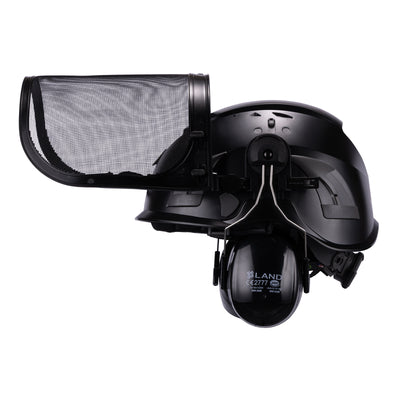
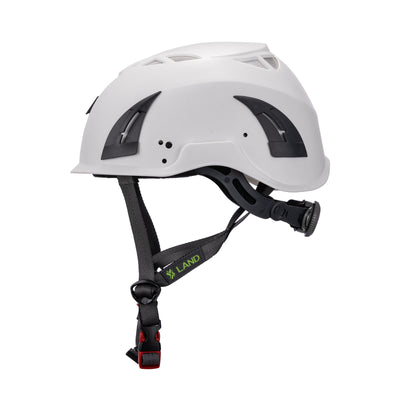
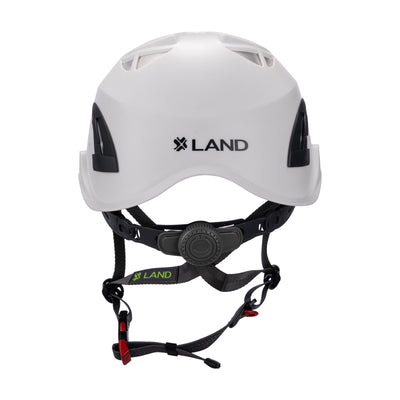
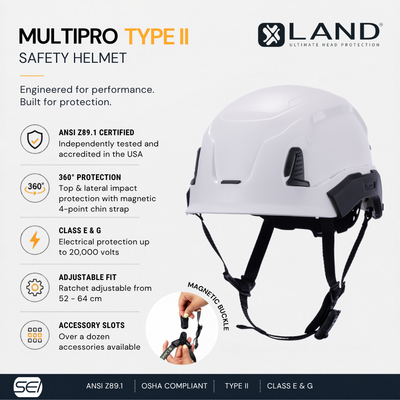
Our Desert Camo project gave us another opportunity to experiment with pattern scale, positioning, water transfer printing, and finishing to see how a new design translates onto the MultiPro shell.
The result is not simply a different helmet color. It is an example of how we can continue experimenting with the appearance of our helmets through new printing techniques and pattern development.
Now we want to know what you would like to see next.
Woodland camo? Different desert colors? Carbon fiber? Something completely different?
Tell us what helmet pattern LAND should experiment with next.