

Not every construction worker faces the same hazards, so why would every worker need the same safety helmet?
Electricians, utility crews, general construction workers, and professionals working at height may share the same jobsite, but their head-protection needs can differ significantly.
Some jobs primarily involve overhead hazards. Others may expose workers to impacts from the front, sides, or rear. When electrical hazards are present, the helmet’s electrical class becomes another essential consideration.
Understanding Type I versus Type II and Class C versus Class E can help safety managers choose appropriate head protection for each crew.
Here’s how these classifications work, and where the LAND EcoPro and Frontier safety helmets fit.
Type I vs. Type II: What’s the Difference?
A safety helmet’s ANSI Type identifies the directions of impact protection it is designed to provide.
Type I: Protection From Above
A Type I safety helmet is designed to reduce the force of impacts primarily to the top of the head, such as those caused by falling tools, materials, or debris.
This type of protection may be appropriate in construction and industrial environments where overhead hazards are the primary concern.
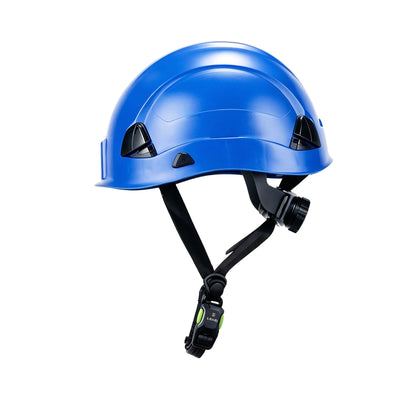
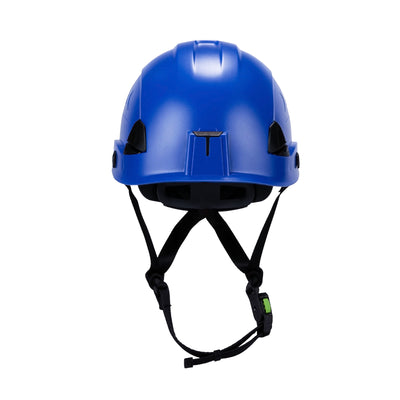
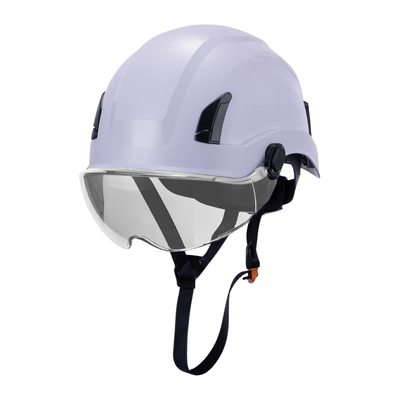
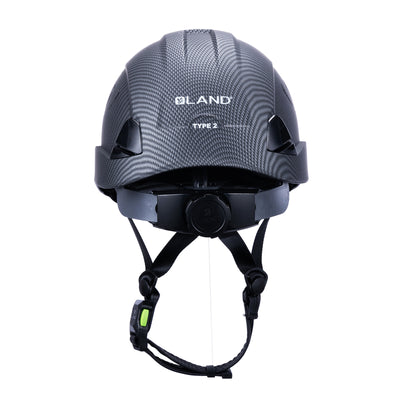
The LAND EcoPro is an ANSI/ISEA Z89.1-2014 Type I safety helmet designed for construction, utility, scaffolding, industrial maintenance, and other professional applications.
It provides dependable Type I protection with a lightweight, suspension-based design and a strong focus on value.
Type II: Top and Lateral Impact Protection
A Type II safety helmet provides top-impact protection along with additional protection against impacts to the front, sides, and rear of the head.
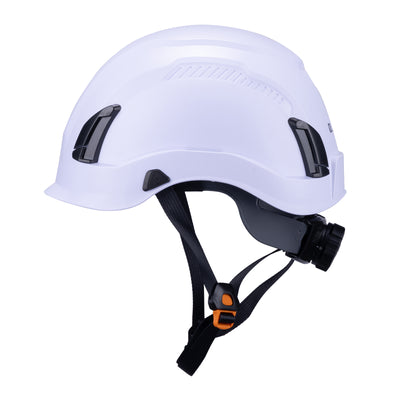
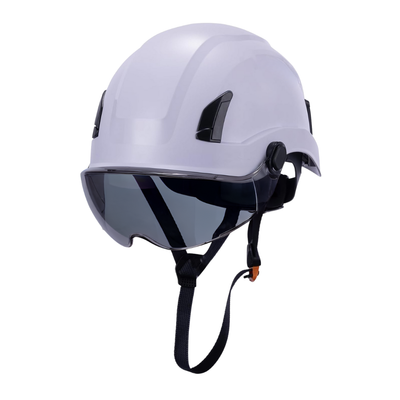
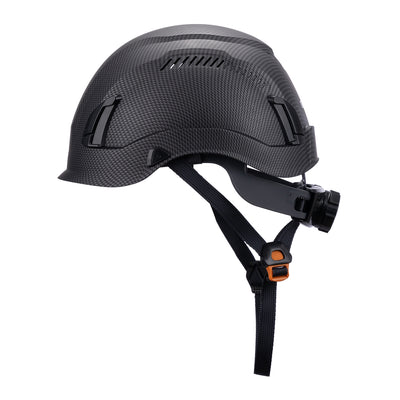
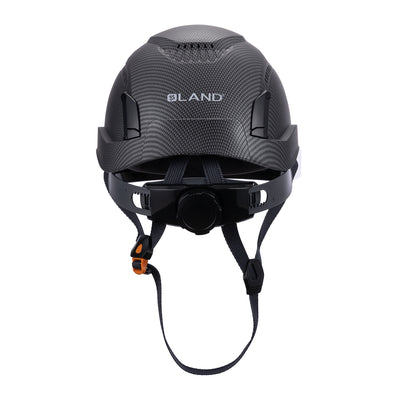
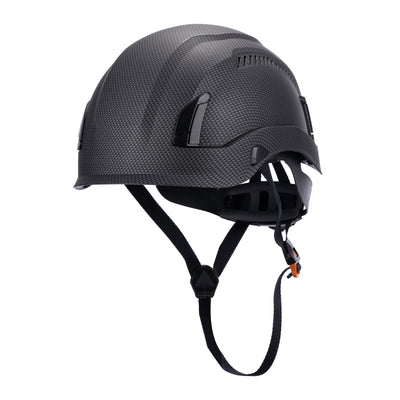
The LAND Frontier is an ANSI/ISEA Z89.1-2014 (R2019) Type II safety helmet. Its ABS outer shell works together with an EPS impact-absorbing liner to help manage impacts from multiple directions.
Frontier may be appropriate for construction, utility, telecom, work-at-height, and other demanding environments where lateral impacts are identified as a potential hazard.

Why Does This Matter on a Construction Site?
Because construction isn't one job.
The hazards facing a framing crew may be different from those facing an electrician, utility contractor, scaffolder, or worker at height.
Instead of starting with:
“Which helmet should we buy?”
Start with:
“What hazards does our crew actually face?”
If overhead impacts are the primary concern, a Type I helmet may meet the needs of the job. If workers are also exposed to potential side, front, or rear impacts, Type II protection may be worth considering.
Your jobsite hazard assessment and applicable safety requirements should always guide the final decision.
What About Class C vs. Class E?
Type describes impact protection.
Class addresses electrical protection.
Class C: Vented for Airflow
Class C helmets provide no electrical protection and are commonly used where electrical protection is not required.
Both the EcoPro Type I Class C and Frontier Type II Class C are available in vented configurations that help increase airflow during long, hot workdays.
For construction crews working long shifts outdoors, ventilation can be a significant comfort advantage.
The Frontier Type II Class C, for example, features 10 ventilation channels to promote airflow during long workdays.
The EcoPro Class C also uses a vented design together with its 6-point suspension system to support airflow and comfortable extended wear.

Class E: Electrical Protection
When electrical hazards are part of the work environment, the requirements change.
Class E helmets are non-vented and designed for electrical protection.
LAND offers Class E versions of both the EcoPro and Frontier. Class E helmets are tested at 20,000 volts under the conditions established by ANSI/ISEA Z89.1.
So your options become:
EcoPro Type I Class C → Top impact + ventilation
EcoPro Type I Class E → Top impact + electrical protection
Frontier Type II Class C → Top and lateral impact protection + ventilation
Frontier Type II Class E → Top and lateral impact protection + electrical protection
Electrical classification does not make contact with energized equipment safe. Employers should select and use head protection as part of a complete electrical-safety program based on the hazards present.
EcoPro vs. Frontier: Which Safety Helmet Fits Your Crew?
Neither Type I nor Type II automatically makes a helmet the right choice for every worker.
The right choice depends on the hazards of the job.
Choose EcoPro When Value Matters
When you're outfitting an entire crew, every helmet adds to your PPE budget.
The EcoPro focuses on the essentials: ANSI Type I protection, a 6-point suspension, adjustable ratchet fit, lightweight design, and accessory compatibility, all with a strong focus on value.
For companies purchasing helmets in bulk, it's a straightforward way to outfit more workers with professional head protection.
Its features include:
-
ANSI Type I protection
-
Class C vented and Class E non-vented options
-
6-point suspension system
-
Glide-ratchet adjustment
-
Lightweight, low-profile design
-
Compatibility with LAND helmet accessories
-
Washable and replaceable interior components

Choose Frontier When the Job Calls for Type II Protection
When the job calls for protection beyond top impacts, there's the LAND Frontier Type II safety helmet.
Frontier combines additional impact protection from the front, sides, and rear with features designed for professional construction environments, including:
-
ANSI/ISEA Type II protection
-
Class C vented or Class E non-vented options
-
ABS shell with EPS impact-absorbing liner
-
4-point chin strap
-
Adjustable ratchet fit
-
Universal side accessory slots
-
Front accessory mount
-
Compatibility with visors, hearing protection, and headlamps
For general contractors, utility crews, telecom workers, workers at height, and other professionals whose hazard assessment calls for additional lateral impact protection, Frontier provides a more comprehensive protection system.

Start With the Job, Not the Helmet
There isn't one construction safety helmet that's right for every trade.
Before outfitting your crew, think about the work they're actually doing:
Are falling objects and overhead hazards the primary concern?
Could impacts also come from the front, sides, or rear?
Are workers exposed to electrical hazards?
Will they be working outdoors for long hours where ventilation matters?
Once you understand the hazards, choosing between Type I, Type II, Class C, and Class E becomes much easier.
Find the Right LAND Safety Helmet for Your Construction Crew
Whether you're outfitting a few workers or an entire workforce, LAND offers safety helmet options for different trades, hazards, and budgets.
EcoPro Type I Class C
For jobs requiring Type I protection where electrical protection isn't needed and ventilation is beneficial.
EcoPro Type I Class E
For jobs requiring Type I impact protection plus Class E electrical protection.
Frontier Type II Class C
For jobs where Type II top and lateral impact protection is appropriate and electrical protection isn't required.
Frontier Type II Class E
For demanding environments requiring both Type II impact protection and Class E electrical protection.
Different jobs. Different hazards. The right protection matters.
Not sure which configuration is right for your team? Talk with LAND about your application, crew size, and PPE requirements.