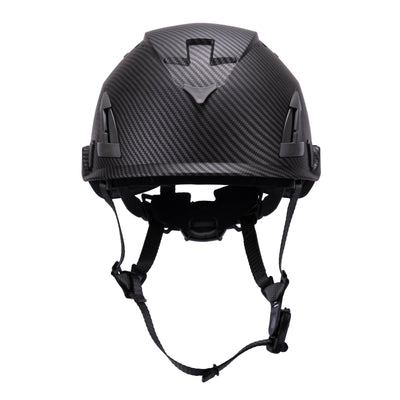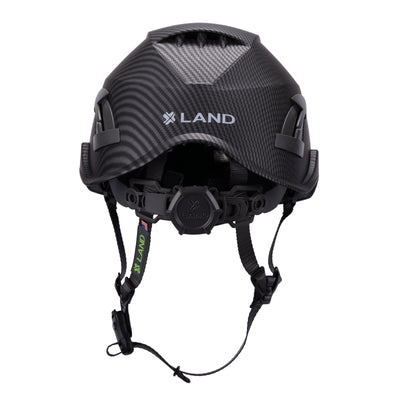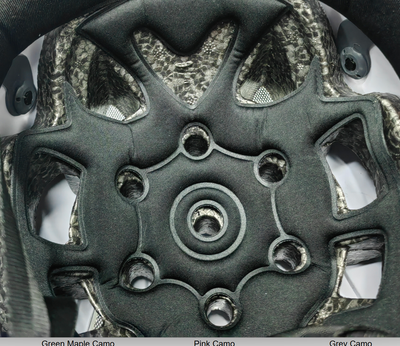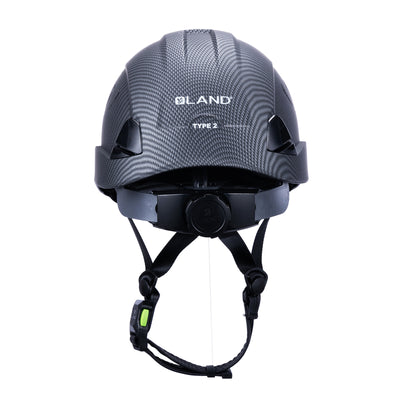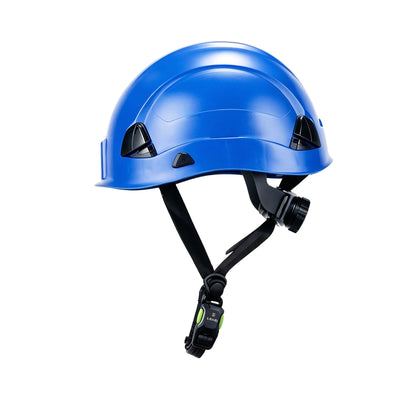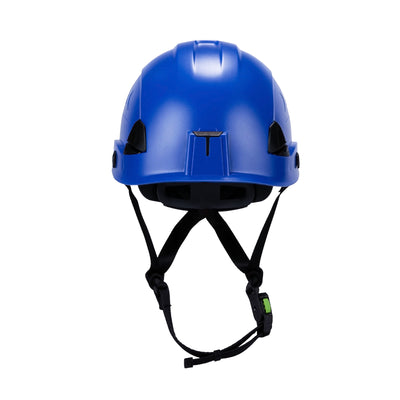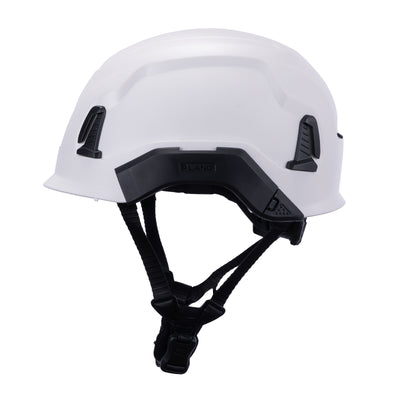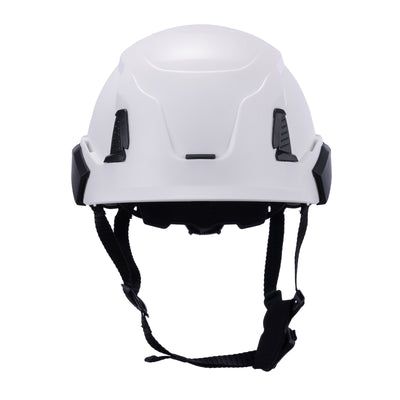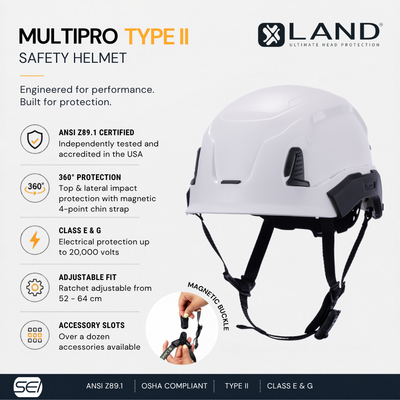


Industrial head protection is evolving.
In September 2026, ISEA released ANSI/ISEA Z89.1-2026, the latest American National Standard for Industrial Head Protection.
The familiar Type I and Type II classifications remain, but the new edition introduces two additional designations: Type I+ and Type II+.
The “+” identifies helmets that have been tested beyond the base requirements for enhanced retention, chin-strap performance and, for Type I+, additional multidirectional impact protection.
For contractors, utilities, safety managers and helmet manufacturers, this is an important development because it gives the market a clearer way to evaluate not only how a helmet handles impact, but how well it stays on the worker’s head when things go wrong.
First: What Is the Difference Between Type I and Type II?
The basic distinction has not changed.
| Classification | Primary Protection |
|---|---|
| Type I | Top/apex impact and penetration protection |
| Type II | Top protection plus lateral impact protection and off-center penetration resistance |
| Type I+ | Type I performance plus enhanced retention, chin-strap testing and front/rear/side force-transmission testing |
| Type II+ | Type II performance plus enhanced retention and chin-strap testing |
ISEA describes Type I helmets as being tested for apex impact-force transmission and penetration. Type II helmets add lateral impact-energy attenuation and off-center penetration requirements.
The important point is that Type II+ does not replace Type II impact testing. It builds enhanced retention requirements on top of the existing Type II protection.

So What Does the “+” Actually Add?
The biggest change is greater attention to how securely the helmet stays on the worker’s head during sudden movement, a fall, or an impact.
Both Type I+ and Type II+ require a chin strap and include chin-strap retention and helmet-retention-effectiveness testing.
Type I+ goes further by adding off-center force-transmission testing at the front, rear and sides of the helmet. Type II already includes lateral-impact performance, so Type II+ primarily adds the enhanced retention requirements to the existing Type II protection.
This reflects a simple reality:
Impact protection cannot help as intended if the helmet is no longer properly positioned on the head.
Why Helmet Retention Matters
Think about what can happen during a real incident.
A worker may slip.
They may fall.
They may suddenly bend or twist.
A first impact may be followed by a second movement or impact.
In these situations, the helmet may try to rotate forward, move backward or come off completely.
That is why the new “+” requirements look more closely at the complete retention system, rather than treating the chin strap as just another accessory.
ISEA specifically describes the enhanced helmet-retention testing as helping ensure head protection stays properly positioned during events such as slips and trips.

A Chin Strap Is Only Part of the Solution
From a helmet-design perspective, simply adding a chin strap does not automatically create a Type I+ or Type II+ helmet.
Retention performance depends on how the complete helmet works together.
Important design areas include chin-strap anchor position, Y-strap geometry, helmet depth, suspension position, rear adjustment strength, buckle performance, strap slippage and the way the helmet fits the head.
For example, a strong buckle may still not solve the problem if the anchor geometry allows the helmet to rotate forward.
Likewise, a comfortable suspension system must still maintain its position when external forces act on the helmet.
This is why LAND looks at helmet retention as a system:
Shell + Suspension + Fit System + Chin Strap + Anchors + Buckle + Helmet Geometry
Type I+ Brings Multidirectional Testing Into the Conversation
The Type I+ designation is particularly interesting because it expands beyond traditional top-only Type I testing.
In addition to the enhanced retention requirements, Type I+ helmets undergo off-center force-transmission testing at the front, rear and side.
That gives employers another option between conventional Type I protection and full Type II performance, depending on the hazards identified for the job.
But it is important not to oversimplify the classifications.
Type I+ is not simply another name for Type II.
And Type II+ does not mean that standard Type II helmets are suddenly obsolete.
They are distinct performance designations within the updated standard.

What About Wearing a Helmet in Reverse?
ANSI/ISEA Z89.1-2026 also adds additional checks for “+” helmets that are designed and marked for reverse wearing.
If a manufacturer intends to claim that capability, retention performance must also be considered in that configuration.
For manufacturers, that means reverse wearing should be considered during engineering and validation, not added later simply as a marketing claim.
Type and Electrical Class Are Still Separate
The Type I, Type II and new “+” designations describe impact and retention performance.
Electrical classification remains a separate part of the helmet specification.
ANSI/ISEA Z89.1-2026 continues to identify:
Class G — electrical protection tested at 2,200 volts
Class E — electrical protection tested at 20,000 volts
Class C — no electrical protection
That means a helmet could, for example, be designed and certified as Type II+ Class E if it meets all applicable Type II+, retention and Class E electrical requirements.
For electrical helmets, the complete system, including hardware, chin-strap components and accessory interfaces, must therefore be engineered with electrical performance in mind.

Does OSHA Now Require Type I+ or Type II+?
No.
The publication of ANSI/ISEA Z89.1-2026 does not automatically create a new OSHA requirement that every employer must switch to a “+” helmet.
ISEA states that the 2026 edition does not make existing compliant head protection obsolete and emphasizes that selection should remain based on actual workplace hazards.
OSHA’s current general-industry and construction regulations still specifically reference earlier editions of ANSI Z89.1, while also allowing head protection that an employer can demonstrate is at least as effective as the referenced standards.
So the new “+” designation should be viewed as an additional performance option, not an automatic replacement for every existing helmet.
What This Means for LAND
For LAND, the new standard is more than an industry update. It gives us another benchmark for where professional head protection is heading, and where we want our own helmet development to go.
Our goal is to continue improving our helmets around the people who actually wear them.
A helmet may be worn for an entire shift, while climbing, bending, working at height, moving through tight spaces or performing physically demanding work. In those situations, protection is not only about the shell. Fit, stability, retention, comfort and how the complete helmet system works together all matter to the end user.
That is why LAND is reviewing the new Type I+ and Type II+ requirements and looking at how future helmet development can move toward these enhanced performance expectations.
For future development, the goal is not simply to add a stronger buckle or change one component. We want to understand how improvements throughout the helmet can help it remain properly positioned when a worker slips, falls, moves suddenly or experiences an impact.
The worker is ultimately the reason these improvements matter.

Looking Toward Type II+ Class E
For some of the industries LAND serves, Type II+ Class E is an especially important direction to study.
It combines three areas that can matter in demanding industrial environments:
Lateral impact protection + Enhanced helmet retention + Electrical protection
As contractors, utilities and safety professionals begin evaluating the updated standard, LAND is also evaluating what would be required to develop helmets toward these newer performance specifications.
That means looking beyond individual components and considering the complete helmet, from the shell and suspension to the chin strap, adjustment system, hardware and accessory interfaces.
We want future LAND helmets to respond not only to changing standards, but also to the real problems workers experience on the job.
Standards Change. Helmet Development Should Too.
A safety helmet should never be treated as a product that is finished forever.
Standards evolve. Jobsites change. New testing methods reveal opportunities for improvement. Most importantly, workers give us feedback about what actually happens when equipment leaves the laboratory and enters the field.
LAND wants to use all of that information to keep improving.
That may mean better retention. It may mean stronger or more secure adjustment systems. It may mean changes to strap geometry, comfort, fit or other parts of the helmet that can make a meaningful difference during a long workday, or during the moment when the helmet is needed most.
ANSI/ISEA Z89.1-2026 gives the industry another opportunity to look closely at those details.
For LAND, our direction is clear:
Listen to the end user. Study the new requirements. Test. Improve. And continue developing helmets around the realities of the jobsite.
We are actively looking at how the principles behind the new Type I+ and Type II+ designations can help guide future LAND helmet development as we work toward higher performance expectations.
Because improving head protection is not simply about meeting a specification.
It is about building better protection for the people wearing it.