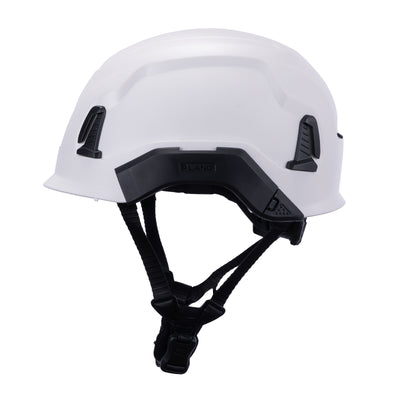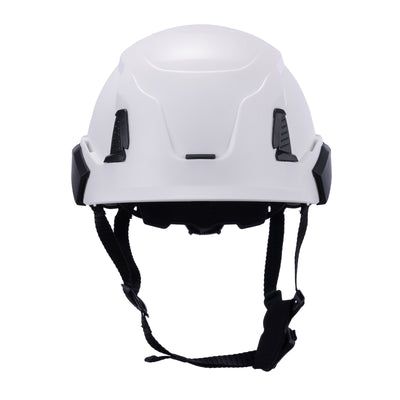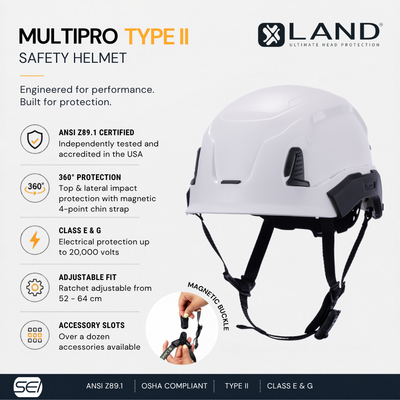


Custom safety helmets can strengthen company identity, improve crew recognition, and create a more professional appearance across construction sites, utility projects, rescue operations, and industrial workplaces.
However, a safety helmet is protective equipment—not a standard promotional product. Logos, decorative finishes, stickers, accessories, or other changes must not damage the shell, hide defects, cover required labels, or interfere with the helmet’s fit and function.
The best approach is to select an approved customization method for the specific helmet model rather than modifying the helmet after it reaches the jobsite.
Why Companies Customize Safety Helmets
A coordinated helmet program can provide practical benefits beyond appearance.
Custom safety helmets can help contractors and organizations:
- Display company logos and branding
- Identify crews, departments, or job functions
- Distinguish employees, supervisors, visitors, and subcontractors
- Improve brand visibility at jobsites and public projects
- Create a consistent, professional appearance
- Increase employee connection with company-issued equipment
- Support distributor and promotional programs
Customization should enhance the helmet’s appearance and identification without altering the protective structure.
Can You Customize a Safety Helmet?
Yes—but the customization method matters.
OSHA does not specifically prohibit all paint or adhesive labels on protective helmets. However, OSHA explains that paint, solvents, and adhesives can affect the shell, reduce electrical resistance, or conceal cracks and other damage. Customization should therefore follow the helmet manufacturer’s instructions and must not prevent inspection of the shell.
A useful rule is:
Customize the helmet through a manufacturer-authorized process. Do not physically modify the helmet yourself.
Factory-authorized printing and finishing give the manufacturer greater control over the materials, application area, preparation process, and compatibility with the helmet shell.
Safe and Practical Helmet Customization Options
1. Custom Logo Pad Printing
Company-logo printing is one of the most practical ways to personalize safety helmets.
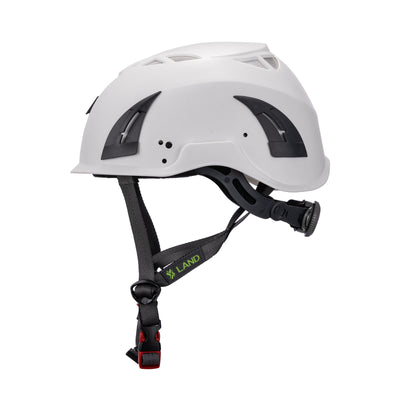
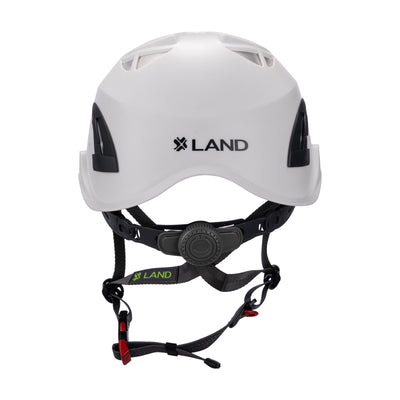
LAND Helmets offers multi-color pad printing, including six-color logo applications for qualifying orders. Pad printing can reproduce detailed corporate graphics on the curved surface of a helmet while providing a clean, professional appearance.
Custom printing may be used for:
- Company logos
- Contractor names
- Department identification
- Safety-program branding
- Distributor branding
- Project or event graphics
The logo size, position, number of colors, and helmet compatibility should be reviewed before production. Required certification labels and inspection areas must remain visible.
2. Factory Hydro-Dipped Finishes
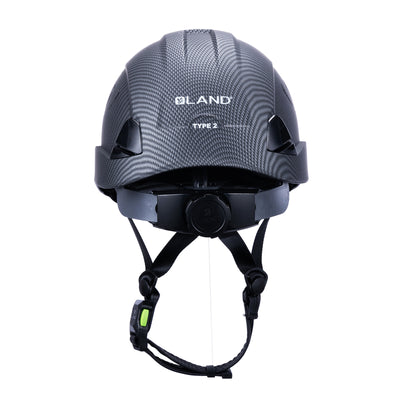
For organizations seeking a more distinctive appearance, LAND offers custom hydro-dipping on compatible safety helmet models.
Available concepts may include:
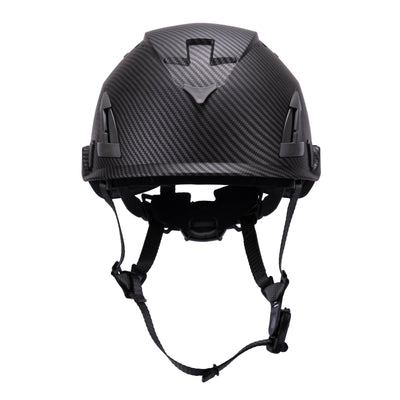
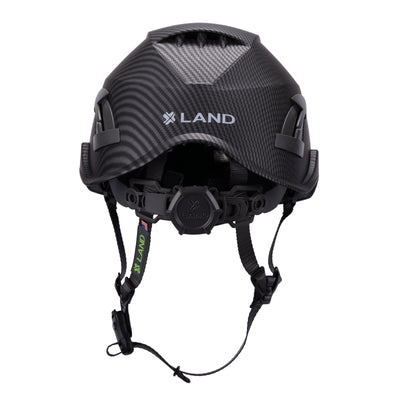
- Realistic carbon-fiber patterns
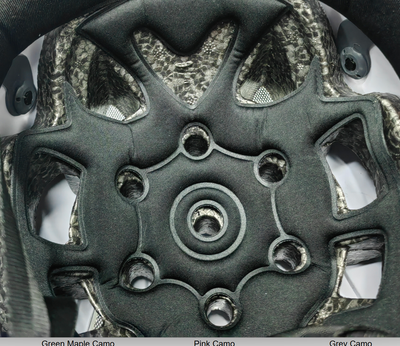
- Camouflage designs
- Specialty graphic finishes
- Selected custom colors
- Branded decorative patterns
- Logo applications combined with specialty finishes
All graphic patterns and decorative designs must be reviewed to ensure that their use does not create any copyright, trademark, or other intellectual property infringement risk.
Hydro-dipping should be completed only through an authorized and controlled process. Workers should never use an aftermarket hydro-dipping kit, spray paint, solvent-based coating, or any other chemical treatment on a safety helmet without prior written approval from the manufacturer.

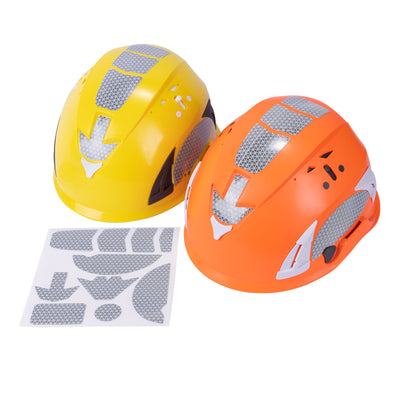
3. Approved Decals and Identification Labels
Small identification decals may be appropriate when they are approved for the helmet material and positioned correctly.
Examples include:
- Employee names or identification numbers
- Training-status labels
- Inspection labels
- Department markings
- Emergency-information labels
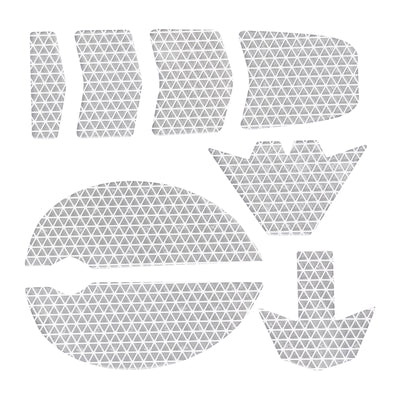
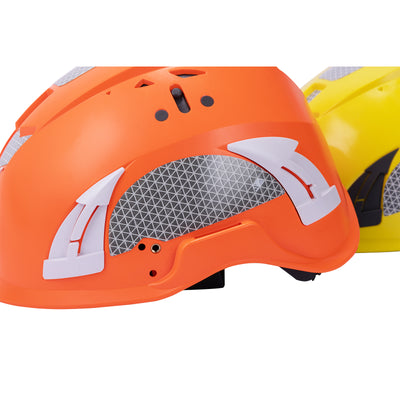
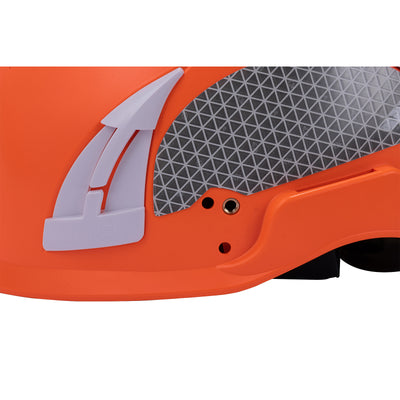
- Authorized reflective graphics
Decals should not:
- Cover cracks, dents, or damaged areas
- Conceal certification or manufacturing labels
- prevent inspection of the shell
- Use adhesives that may react with the helmet material
- Cover large portions of the helmet
- Be placed over vents, accessory slots, or moving components
OSHA notes that adhesive stickers may be acceptable when authorized by the manufacturer, when the adhesive does not affect helmet reliability, and when their placement does not make damage more difficult to identify.
4. Compatible Helmet Accessories
Customization can also include functional accessories selected for the specific helmet model.
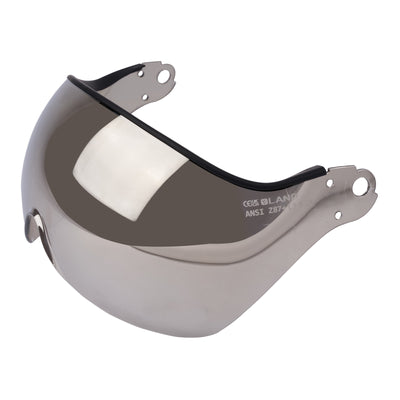
Depending on the LAND helmet configuration, compatible options may include:
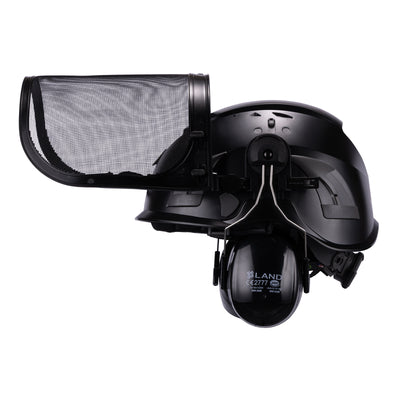
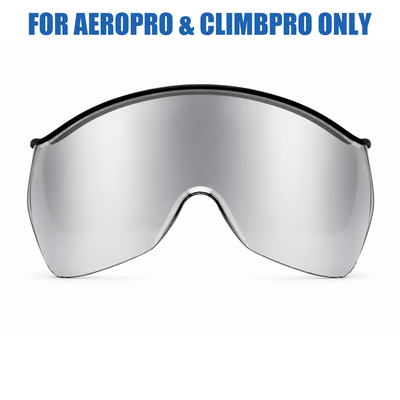
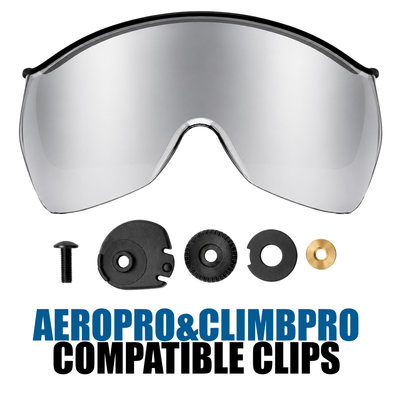
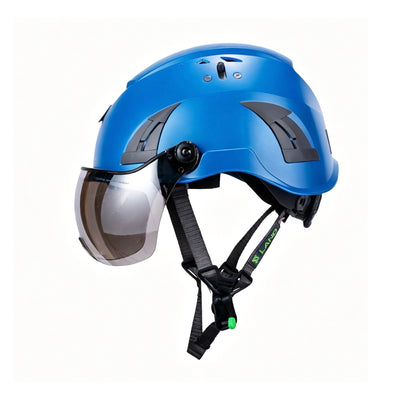
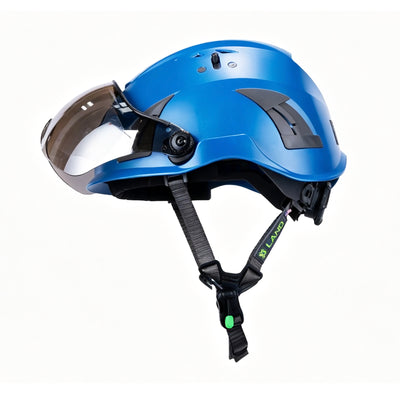
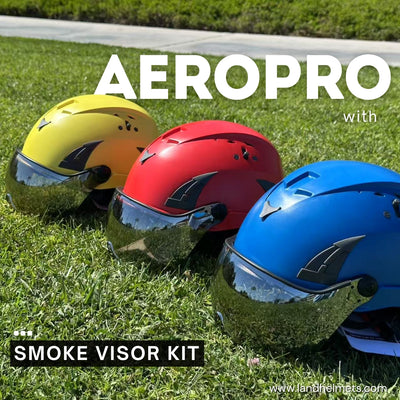
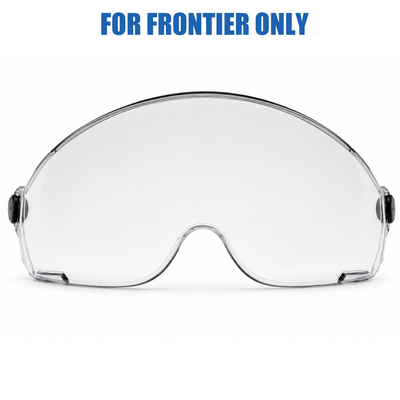
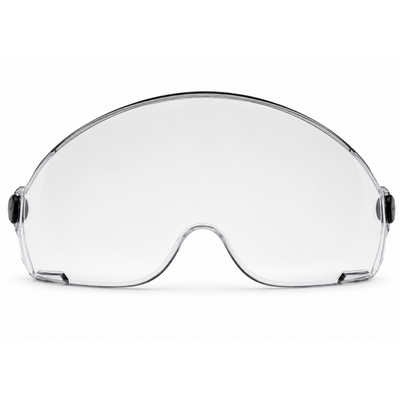
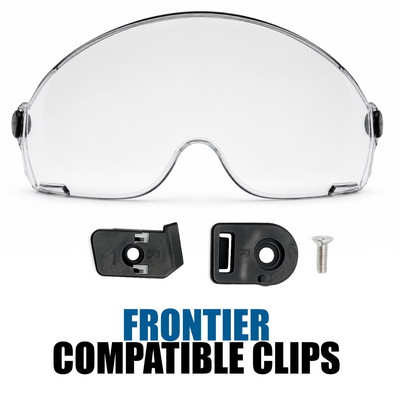
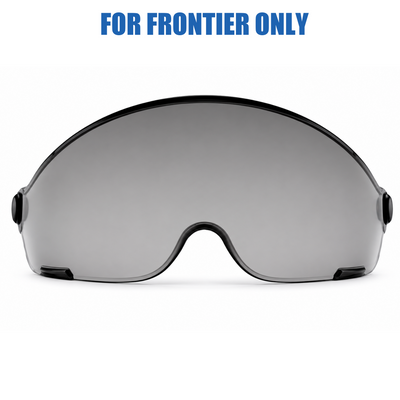
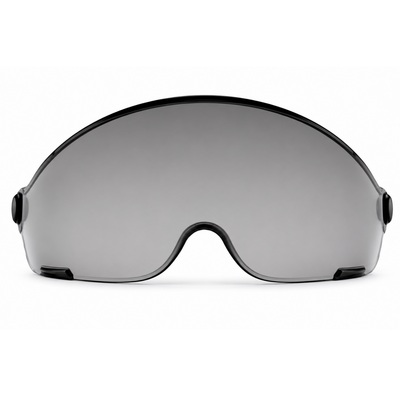
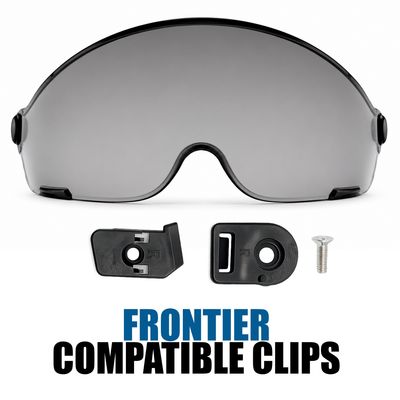
- Clear or smoke visors
- Face shields
- Mesh visors
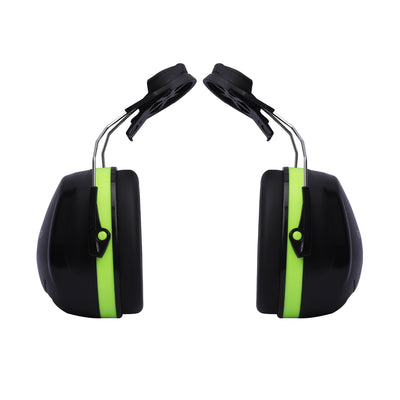
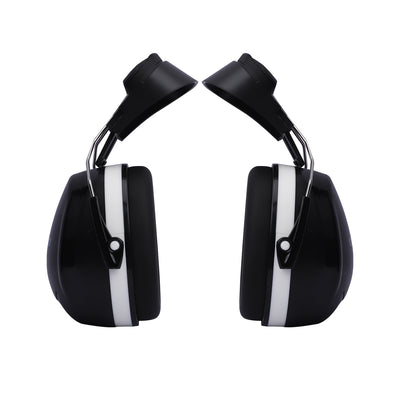
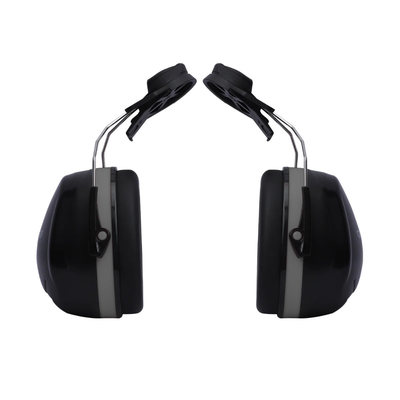
- Helmet-mounted earmuffs
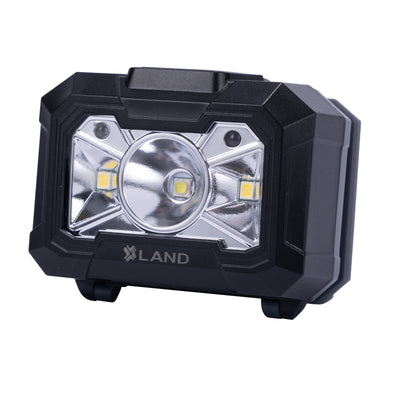
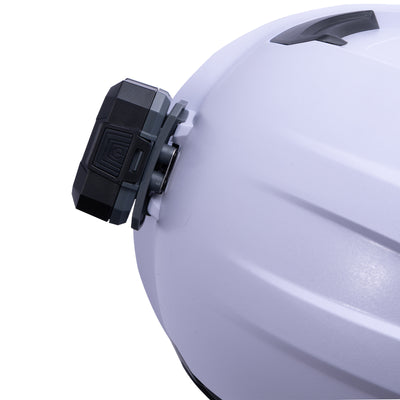
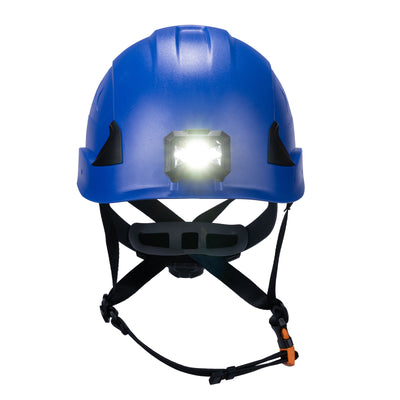
- Headlamps
- High-visibility elements
- Replacement chinstraps
- Identification accessories
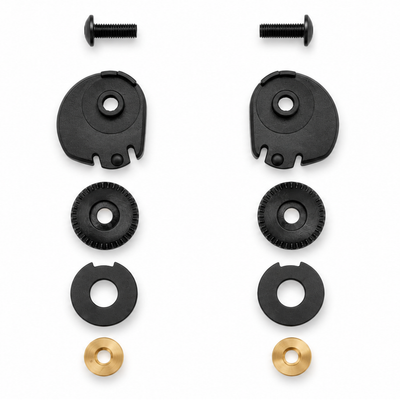
Accessories should attach through the helmet’s intended connection points and should not require drilling, cutting, or altering the shell. OSHA recommends inspecting manufacturer-approved helmet accessories to confirm that they remain securely attached and function correctly.
Customization Methods to Avoid
Some modifications may permanently affect a helmet’s structure or make its condition difficult to evaluate.
Do not:
- Drill holes into the shell
- Cut, sand, grind, or engrave the helmet
- Apply unapproved spray paint
- Use paint thinner, solvents, gasoline, or harsh chemicals
- Perform aftermarket hydro-dipping
- Apply uncontrolled adhesives or chemical coatings
- Attach accessories using screws through the shell
- reshape the helmet with heat
- Cover the helmet with excessive stickers
- Remove or cover product and certification labels
- modify the suspension, impact liner, chinstrap, or buckle
- add parts that interfere with proper fit
Paints, thinners, and some cleaning products can weaken helmet shells and may affect electrical resistance. OSHA guidance also cautions against drilling, painting, or applying unauthorized labels to protective headgear.
A helmet that has been drilled, cut, chemically damaged, severely altered, or structurally modified should be removed from service.
Why Factory Customization Is the Better Choice
Ordering customized helmets directly through LAND helps companies avoid inconsistent jobsite modifications.
A controlled customization program allows LAND to review:
- The specific helmet model
- Shell material and surface
- Logo dimensions and placement
- Number of print colors
- Printing or finishing method
- Visibility of required markings
- Inspection areas
- Order quantity
- Artwork quality
- Accessory compatibility

This is especially important for contractors ordering helmets for multiple jobsites or large crews. A standardized program helps maintain consistent branding while reducing the likelihood that individual workers will paint, drill, engrave, or decorate helmets on their own.
Customization Must Not Hide Damage
Every safety helmet should remain easy to inspect.
Before each use, workers should be able to examine the shell for:
- Cracks
- Dents
- Deformation
- Deep scratches
- Discoloration
- Chalking or brittleness
- Chemical exposure
- Heat damage
- Impact damage
- Other unusual surface changes
Large decals, dark coatings, or heavily patterned finishes can make some defects more difficult to see. Employers should therefore establish an inspection procedure appropriate for the selected finish.
Workers should also inspect the suspension, impact liner, ratchet system, chinstrap, buckle, attachment points, labels, and installed accessories. OSHA recommends retiring a helmet after a significant impact, even when no damage is visible.
Start with the Correct Helmet
Customization does not change a helmet’s intended impact Type or electrical Class.
Before selecting colors, patterns, or logos, the employer should first choose a helmet that matches the workplace hazards. For example, OSHA distinguishes between Type I protection for top impacts and Type II protection for impacts to the top and sides. Class C helmets are not intended for electrical hazards, while Class G and Class E helmets provide specified electrical protection.
A decorative finish cannot turn a Class C helmet into a Class E helmet or add a protection rating that the original model does not possess.
The correct sequence is:
- Identify the workplace hazards.
- Select the appropriate helmet model, Type, and Class.
- Confirm fit and accessory requirements.
- Choose a manufacturer-authorized customization method.
- Approve the artwork and production sample.
- Maintain an inspection and replacement program.
LAND Custom Safety Helmet Solutions
LAND Helmets works with construction companies, utility crews, rescue teams, distributors, and organizations seeking professional, customized head protection.
Customization capabilities for qualifying orders may include:
- Single- and multi-color company logos
- Up to six-color pad printing
- Custom helmet colors
- Carbon-fiber-style hydro-dipped finishes
- Camouflage patterns
- Specialty decorative finishes
- Crew and department identification
- Distributor and private-label programs
- Compatible visors, face protection, and accessories
Customization availability depends on the helmet model, artwork, application area, finish, order quantity, and technical review.
The safest-looking helmet is not necessarily a safely customized helmet. Choose a controlled, manufacturer-authorized process that protects the helmet’s inspectability, identification, fit, and intended performance.
Frequently Asked Questions
Can I put my company logo on a LAND safety helmet?
Yes. LAND offers custom logo printing for qualifying orders. Artwork, print colors, logo size, placement, helmet model, and order quantity should be reviewed before production.
Can LAND print a six-color logo?
LAND can provide multi-color pad printing, including six-color applications for qualifying projects. Complex artwork may require color separation and a production sample before final approval. More info, please visit: https://landhelmets.com/pages/custom-printing
Does LAND offer carbon-fiber or camouflage helmets?
LAND offers hydro-dipped carbon-fiber-style, camouflage, custom-color, and specialty finishes on compatible helmet models. Availability should be confirmed for the selected helmet and order.
Can workers paint their helmets themselves?
Workers should not paint or chemically coat a helmet unless the helmet manufacturer specifically authorizes the materials and process. Paints and solvents may damage the shell, affect electrical properties, or hide defects.
Are stickers allowed on safety helmets?
OSHA does not explicitly prohibit every sticker, but the helmet must remain reliable and inspectable. Use only manufacturer-approved decals and avoid covering damage, labels, vents, attachment points, or large inspection areas.
Can I drill a helmet to attach an accessory?
No. Do not drill, cut, or structurally alter a safety helmet. Use accessories designed to connect through the helmet’s approved mounting points.