



Not every safety helmet is designed for the same environment. Some are intended for construction sites, others for electrical work, and some are built specifically for climbing and working at height.
So, who needs a climbing helmet?
Climbing helmets are designed for people who face head-impact hazards during activities such as rock climbing, tree climbing, rope access, and certain rescue operations. These activities often involve overhead hazards, frequent movement, and situations where keeping a helmet securely positioned is especially important.
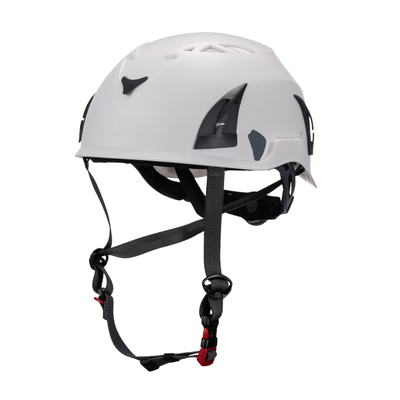
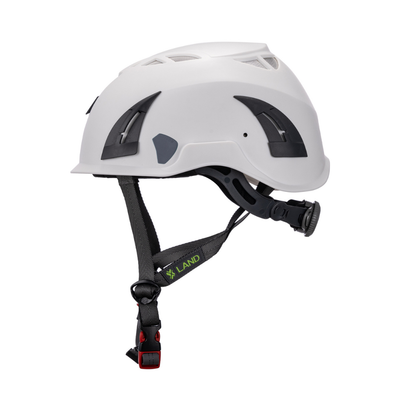
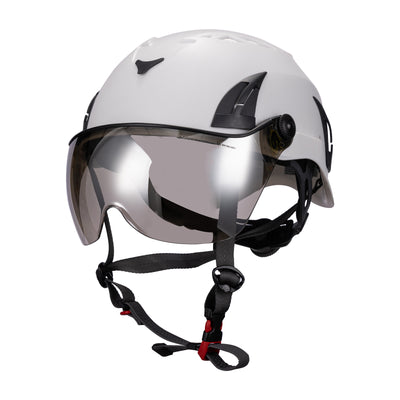
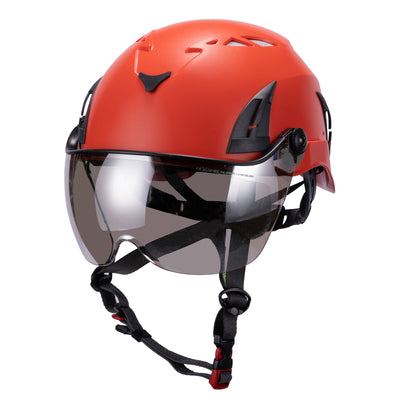
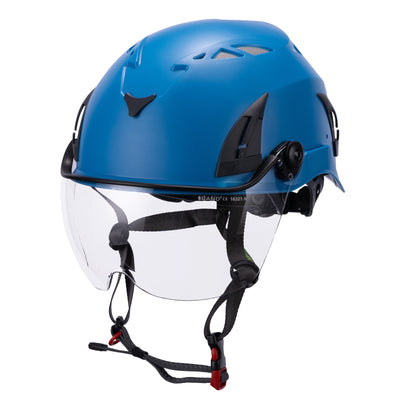
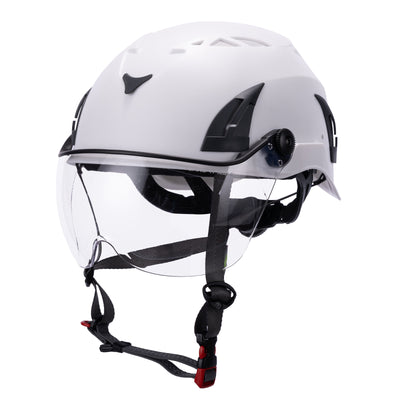
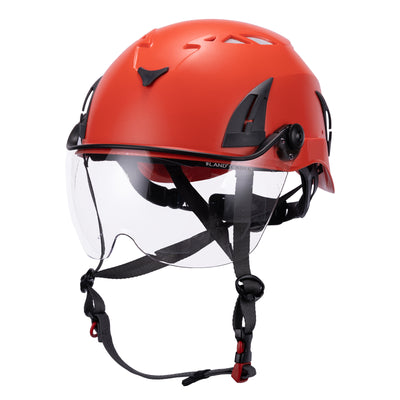
The LAND ClimbPro Climbing Helmet is designed for recreational climbers and professionals who need adjustable, ventilated head protection.
Let's explore who it's made for, what makes it different, and when it might be the right choice.
1. Rock Climbers: Protection That Moves With You
Whether you're climbing outdoors or spending time at the crag, your helmet should stay securely positioned while you move.
Rock climbing can expose climbers to falling rocks, contact with rock surfaces, and other head-impact hazards.
A climbing helmet should provide appropriate protection while allowing comfortable movement during ascents, descents, and belaying.
Why consider the ClimbPro?
-
EN 12492 certification: Designed and tested for mountaineering and climbing applications.
-
10 ventilation zones: Help promote airflow during physically demanding climbs.
-
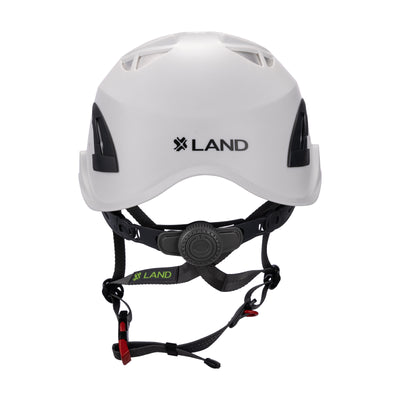
Adjustable rear dial: Allows wearers to fine-tune the fit.
-
Adjustable chin strap: Helps keep the helmet securely positioned during movement.
For climbers looking for a ventilated helmet with an adjustable fit, the ClimbPro offers a practical option.

2. Arborists and Tree Climbers: Head Protection for Work Above the Ground
Tree climbing presents a different set of challenges from recreational rock climbing.
Arborists may work among branches, ropes, climbing equipment, and cutting tools while moving through the tree canopy.
A climbing helmet for arborists should be selected based on the hazards involved, the required safety standards, and the protective accessories needed for the task.
Why consider the ClimbPro?
The ClimbPro features a secure retention system, adjustable fit, and ventilation designed for active climbing environments.
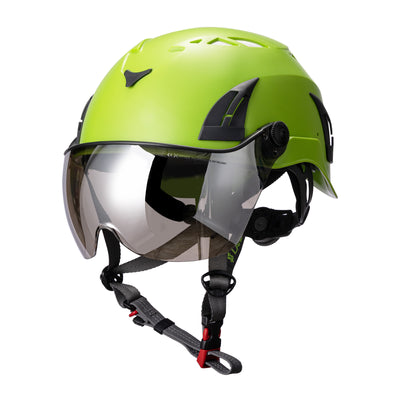
Its accessory mounting features also allow certain compatible visors and other equipment to be added when appropriate.
For arborists who need additional face protection, LAND offers a ClimbPro Clear Visor Kit.
Important: A climbing helmet alone does not replace the eye, face, hearing, or other protective equipment required for chainsaw operations or tree work. Always verify the helmet and accessory combination against applicable workplace requirements.

3. Rope Access Technicians: A Secure Fit for Vertical Work
Rope access technicians perform inspections, maintenance, repairs, and other tasks in areas that may be difficult to reach using conventional access methods.
Their work can involve suspended positions, repeated head movements, and changing body orientations.
For these professionals, helmet retention and comfort are important considerations.
Why consider the ClimbPro?
-
The adjustable rear ratchet accommodates head circumferences of approximately 52–63 cm.
-
The chin strap helps retain the helmet when properly adjusted.
-
The low-profile design supports movement in climbing environments.
-
The ventilation zones help improve airflow during demanding work.
The ClimbPro is marketed for rope access and work-at-height applications, but the required certification must always be confirmed for the specific job.

4. Rescue Professionals: Head Protection for Demanding Environments
Technical rescue teams may encounter climbing, rope systems, elevated locations, and difficult terrain.
These environments can require helmets that remain secure during movement and are compatible with the team's other protective equipment.
Why consider the ClimbPro?
The ClimbPro combines an adjustable retention system, ventilated construction, and climbing-oriented design.
Its replaceable rear ratchet system also allows worn or damaged adjustment components to be serviced according to the manufacturer's instructions.
For rescue teams, helmet selection should account for the specific rescue discipline, hazards, organizational procedures, and applicable standards.
Not every climbing helmet is suitable for every rescue operation.

5. Tower Climbers and Industrial Workers at Height
Workers involved in telecommunications, tower maintenance, scaffolding, and certain industrial climbing tasks may require head protection designed for vertical movement.
Unlike general ground-level work, these activities can involve climbing ladders, moving around structural components, and working in elevated positions.
Why consider the ClimbPro?
Its adjustable chin strap, rear fit system, and ventilation make it an option worth evaluating for work-at-height applications.
However, professional users should check whether the helmet meets their employer's required safety standards.
Important for U.S. workplaces: EN 12492 and EN 397 certifications do not automatically establish compliance with OSHA requirements or ANSI/ISEA Z89.1. If an ANSI-rated industrial helmet is required, verify the product's actual markings and certification before use.

6. What Makes the LAND ClimbPro Different?
The ClimbPro is designed around several features that matter to people who climb.
10 Ventilation Zones
Climbing and working at height can be physically demanding.
The ClimbPro features 10 ventilation zones designed to promote airflow and help reduce heat buildup.
For users working outdoors or climbing for extended periods, ventilation can be an important comfort consideration.
Adjustable Rear Ratchet System
A helmet needs to fit correctly to perform as intended.
The ClimbPro includes a detachable and replaceable rear adjustment system that accommodates head sizes from approximately 52–63 cm.
This allows wearers to adjust the fit without changing the entire helmet.
For detailed fitting instructions, see our guide: How Should a Climbing Helmet Fit?
ABS Shell and EPS Liner
The ClimbPro product overview describes a reinforced ABS outer shell paired with an energy-absorbing EPS liner.
These components form part of the helmet's impact-protection system.
Adjustable Chin Strap
The ClimbPro features an adjustable chin strap to help keep the helmet in place during climbing and active movement.
Proper adjustment is essential. A helmet that shifts excessively may not provide the intended protection.
Compatible Accessories
Depending on the application, users may need additional protective equipment.
LAND offers compatible visor options for the ClimbPro, including:
Always check compatibility and the protection rating of each accessory before use.
7. Is the ClimbPro Right for Your Activity?
The ClimbPro may be worth considering if you need a helmet for climbing-oriented activities and your required safety standards align with the helmet's certification.
| Activity | Why ClimbPro may be suitable | What to verify |
|---|---|---|
| Rock climbing | Climbing certification, ventilation, secure fit | Appropriate climbing use and fit |
| Arborist work | Retention, ventilation, accessory options | Workplace standards and required PPE |
| Rope access | Adjustable fit and chin strap | Employer and rope access requirements |
| Technical rescue | Climbing-oriented construction | Rescue-specific helmet requirements |
| Tower climbing | Secure retention and ventilation | Applicable industrial safety standards |
| Outdoor education | Adjustable fit and climbing protection | Participant sizing and program requirements |
The right helmet is not simply the one with the most features. It's the one that matches your activity, fits correctly, and meets the protection requirements for the hazards involved.
8. Frequently Asked Questions About Climbing Helmets
What is a climbing helmet used for?
A climbing helmet is designed to provide head protection against specified impact hazards encountered during climbing activities. Depending on its certification and design, it may be suitable for mountaineering, rock climbing, rope access, or certain work-at-height applications.
Can arborists wear climbing helmets?
Yes, climbing helmets may be appropriate for certain arborist activities. However, professional arborists must select helmets that meet applicable workplace safety requirements and provide compatibility with any additional PPE required for their tasks.
Can a climbing helmet be used for construction work?
Not automatically. Construction workplaces may require helmets meeting particular industrial safety standards, including ANSI/ISEA Z89.1 in the United States. A helmet's climbing certification alone does not establish suitability for all construction tasks.
What is the difference between a climbing helmet and a hard hat?
Climbing helmets are typically designed with climbing-specific impact and retention requirements in mind. Industrial hard hats are classified and tested according to standards addressing workplace hazards.
The differences depend on the specific helmets and standards being compared, not simply their appearance.
Is the LAND ClimbPro ventilated?
Yes. The ClimbPro features 10 ventilation zones designed to promote airflow during climbing and other physically demanding activities.
What head sizes does the ClimbPro fit?
The ClimbPro's rear ratchet adjustment system accommodates approximately 52–63 cm head circumferences. Always confirm fit according to the manufacturer's instructions.
Does the ClimbPro have a chin strap?
Yes. The ClimbPro includes an adjustable chin strap designed to help retain the helmet during climbing movements.
Can I add a visor to the LAND ClimbPro?
Yes. LAND offers compatible clear and mirror visor options for the ClimbPro. Select a visor based on the specific eye and face hazards present.
Find Your Next Climbing Helmet With LAND
Whether you're climbing a rock face, working in a tree, or performing tasks at height, choosing the right helmet starts with understanding your environment and the protection you need.
The LAND ClimbPro combines climbing-focused design, ventilation, an adjustable fit system, and compatible accessory options.
If you're looking for a climbing helmet designed for active movement, explore the ClimbPro and see whether it meets your requirements.
Always follow the manufacturer's instructions and verify the helmet's certification, markings, fit, and suitability for your intended activity.