

Looking Beyond the Surface
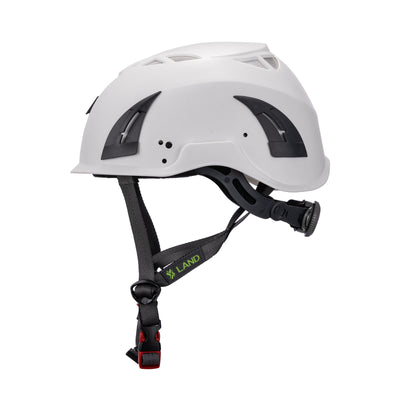
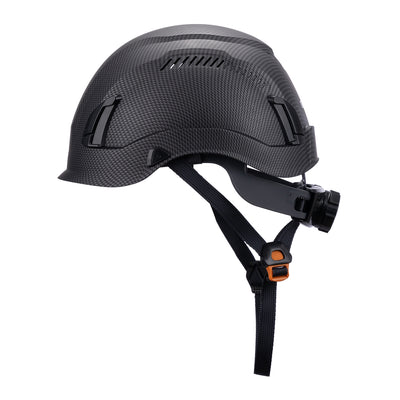
Effective helmet ventilation involves much more than simply adding holes to an outer shell. While visible openings are important, true airflow performance depends on how air moves through the entire structure of the helmet.
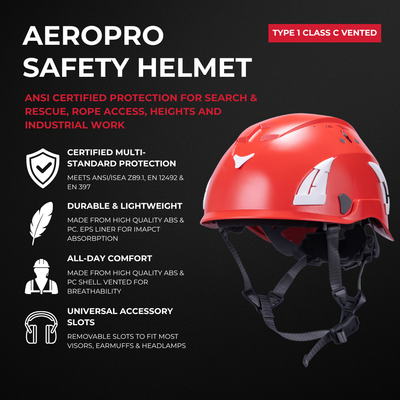
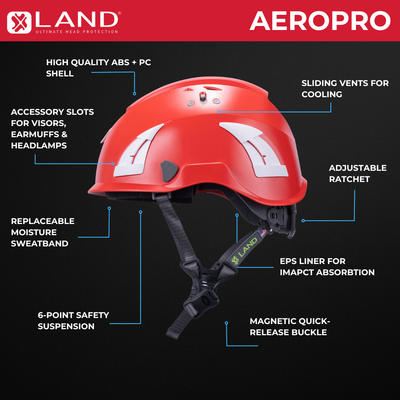
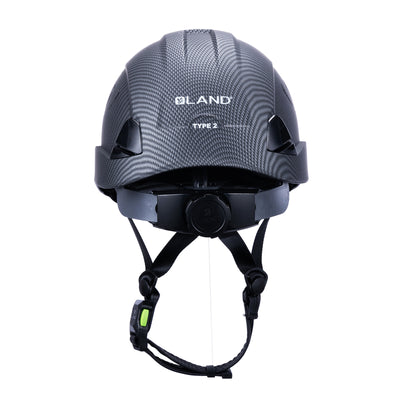
Our helmet features a rugged ABS outer shell for durability and protection. Beneath that shell is an EPS (Expanded Polystyrene) impact-absorbing liner, which plays a critical role in both safety and airflow management.
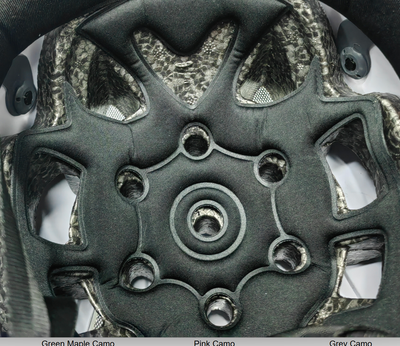
Rather than treating the EPS liner as a solid block of material, our engineering team designed it with dedicated internal airflow channels based on aerodynamic principles.
How the Ventilation System Works
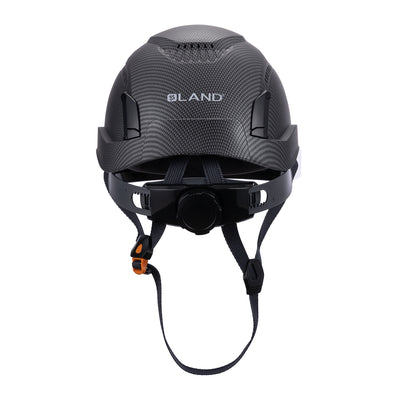
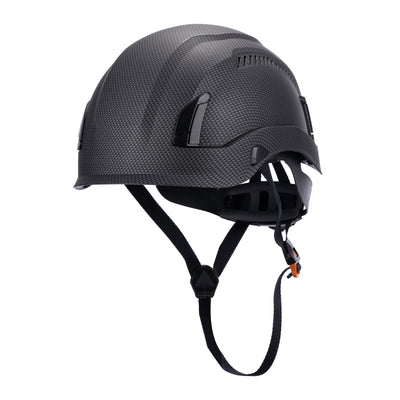
The helmet's ventilation system is designed to create a continuous airflow path:
- Fresh air enters through the front intake vents.
- Air travels through strategically engineered channels moulded into the EPS liner.
- Warm air is guided toward the rear of the helmet.
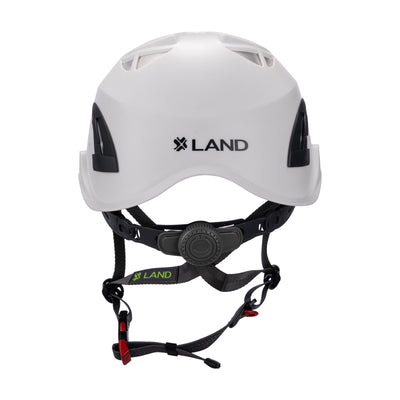
- Air exits through the rear exhaust vents.
What some observers interpret as "blocked" openings are actually part of this engineered airflow network. The EPS structure directs and manages airflow while maintaining the impact-absorption performance required for safety certification.
In other words, the material visible behind the vents is not obstructing airflow—it is helping control and channel it.