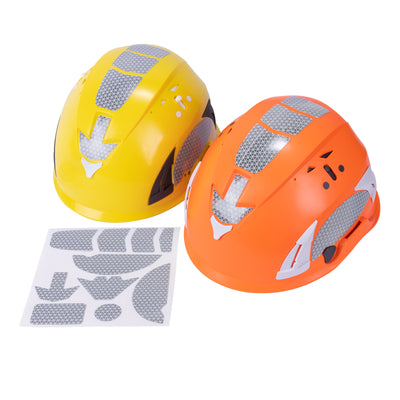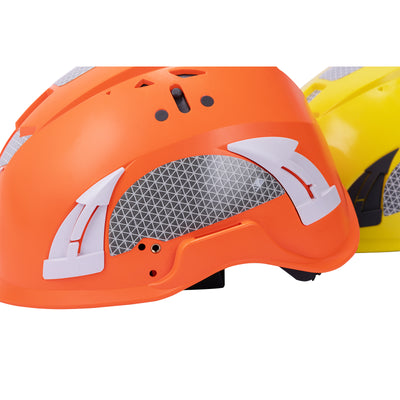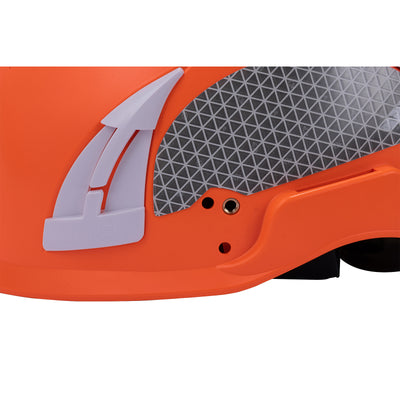




What makes a Class E safety helmet different from a regular hard hat?
The answer is electrical protection.
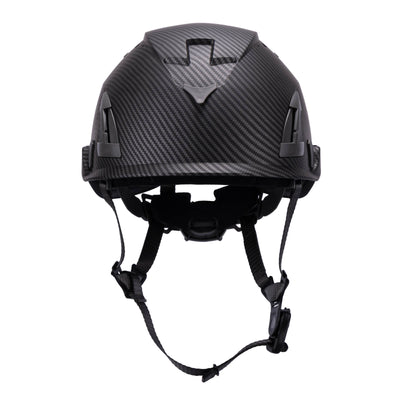
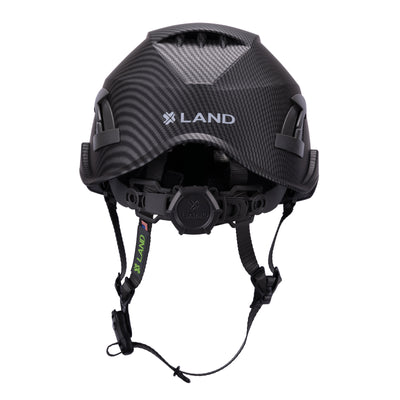
A Class E safety helmet, also called a Class E hard hat, is designed to reduce the danger of electrical exposure while providing impact protection.
Under ANSI/ISEA Z89.1, Class E helmets must meet specific electrical insulation requirements, including a 20,000-volt laboratory proof test on representative helmet samples.
But does that mean a Class E helmet is safe to use around any electrical voltage? And how do you know whether you need a Type I or Type II Class E helmet?
Here's what electricians, utility workers, construction professionals, and safety managers should know before selecting electrical-rated head protection.
What Does Class E Mean on a Safety Helmet?
Class E stands for Electrical.
A Class E safety helmet is designed to help reduce the risk of electrical shock when working in environments where electrically protective headwear is required.
Unlike Class C helmets, which provide no electrical insulation, Class E helmets undergo additional electrical testing under ANSI/ISEA Z89.1.
Class E helmets are typically non-vented to maintain their protective design.
They may be appropriate for:
-
Electrical installation and maintenance
-
Utility and power distribution work
-
Industrial electrical maintenance
-
Construction near exposed electrical conductors
-
Telecommunications and infrastructure work involving applicable electrical hazards
However, a helmet's electrical classification is only one part of choosing the correct head protection.
What Does the 20,000V Rating on a Class E Hard Hat Mean?
A 20,000V Class E hard hat must satisfy electrical proof-testing requirements under ANSI/ISEA Z89.1.
During testing, representative helmet samples are subjected to a specified high-voltage test to evaluate electrical insulation performance.
Important: The 20,000-volt rating is a laboratory proof-test requirement, not a safe working-voltage limit.
It does not mean workers can safely contact a 20,000-volt electrical conductor while wearing the helmet.
Electrical safety still requires appropriate work procedures, required approach distances, hazard assessments, and additional protective equipment.
A Class E helmet is one component of a complete electrical safety program, not a substitute for it.
Class C vs. Class E vs. Class G Hard Hats: What's the Difference?
ANSI electrical classes identify the level of electrical protection a helmet is designed to provide.
| Classification | Electrical Protection | Laboratory Proof Test |
|---|---|---|
| Class C (Conductive) | No electrical protection | None |
| Class G (General) | Limited electrical protection | 2,200 volts |
| Class E (Electrical) | Higher-level electrical insulation | 20,000 volts |
Class C: Suitable for applications without electrical hazards requiring electrically protective headwear. Many Class C helmets have vents to increase airflow.
Class G: Provides electrical protection tested at 2,200 volts under specified laboratory conditions.
Class E: Provides electrical insulation tested at 20,000 volts under specified laboratory conditions.
For jobs requiring electrical head protection, the correct classification depends on the hazards identified by the employer.
To compare electrical protection with impact protection, explore LAND's Class E safety helmet collection.

Type I vs. Type II Class E Safety Helmets
Class E identifies electrical protection, while Type I and Type II identify impact protection.
A helmet can be Class E and either Type I or Type II.
Type I Class E Hard Hats
Type I helmets are designed primarily to reduce impact forces from blows to the top of the head.
These helmets may be suitable for workplaces where the primary head-impact hazard comes from falling objects.
Type II Class E Safety Helmets
Type II helmets are designed and tested to reduce impact forces from both top and lateral impacts, including impacts from the front, back, and sides.
A Type II Class E safety helmet combines electrical insulation with additional lateral impact protection.
This combination may be especially relevant for utility workers, industrial maintenance teams, and construction professionals exposed to hazards from multiple directions.
The appropriate choice must be based on the workplace hazard assessment.
Does OSHA Require Class E Safety Helmets?
OSHA requires electrically protective headwear when workers are exposed to specified electrical hazards, but it does not require Class E helmets for every worker or every electrical task.
Under OSHA 29 CFR 1910.135(a)(2), employers must ensure workers wear protective helmets designed to reduce electrical shock hazards when exposed electrical conductors could contact the head.
The required head protection depends on the specific workplace hazards.
OSHA also advises that vented helmets should not be used for electrical work requiring electrical head protection.
For more information, review OSHA's Head Protection Requirements.
How to Choose the Right Class E Safety Helmet
When selecting an electrical safety helmet, consider more than the electrical classification.
1. Electrical hazards: Determine whether the work requires Class E protection according to your employer's safety requirements.
2. Impact hazards: Evaluate whether Type I top-impact protection or Type II top-and-lateral impact protection is appropriate.
3. Helmet retention: For work at height or in awkward positions, consider whether a chin strap is needed to help keep the helmet securely positioned.
4. Accessories: Verify compatibility before installing a face shield, headlamp, earmuffs, or any other attachment.
5. Certification and labeling: Check the manufacturer's markings and documentation to confirm the actual ANSI standard edition, impact type, and electrical class.
A helmet should be selected for the hazards of the job, not simply because it has a particular shape or appearance.

LAND Class E Safety Helmets for Electrical and Utility Work
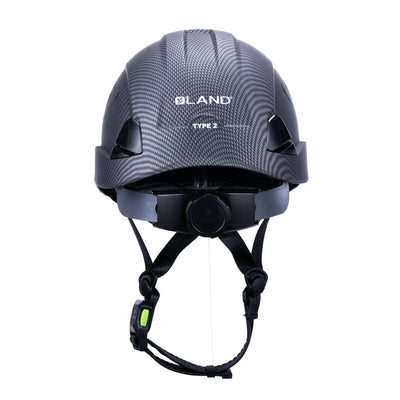
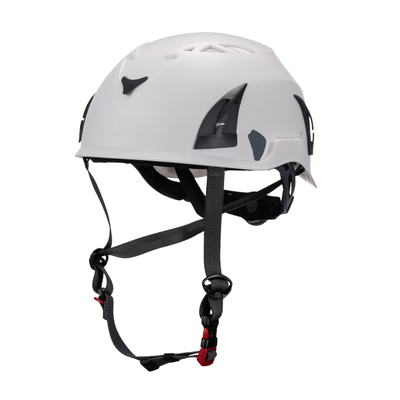
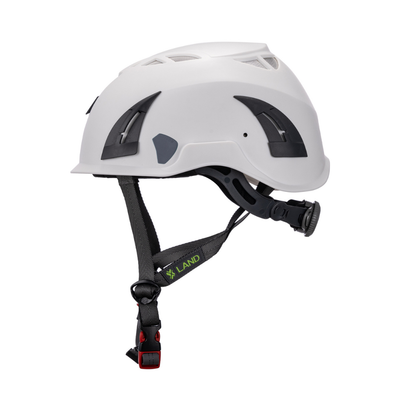
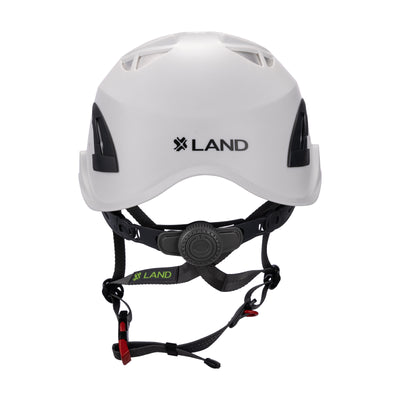
LAND Helmets offers several non-vented Class E safety helmets for different impact protection requirements and work environments.
| LAND Helmet | Impact Type | Electrical Class |
|---|---|---|
| Frontier | Type II | Class E |
| MultiPro | Type II | Class E |
| EcoPro | Type I | Class E |
| ShieldPro Full Brim | Type I | Class E |
LAND Frontier Type II Class E
The Frontier combines Type II impact protection with Class E electrical classification.
Its non-vented design, adjustable fit, chin strap, and compatible accessory system make it an option for professionals who require electrical-rated head protection with lateral impact protection.
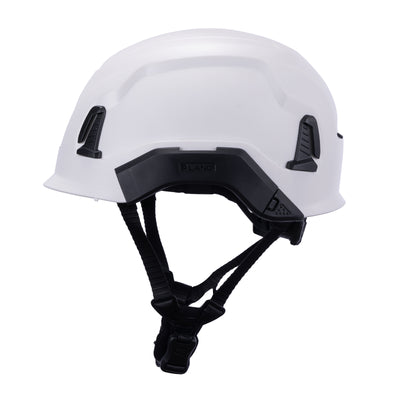
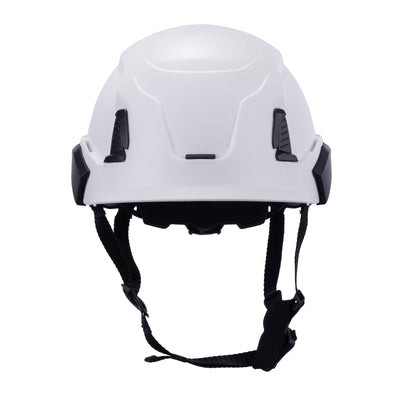
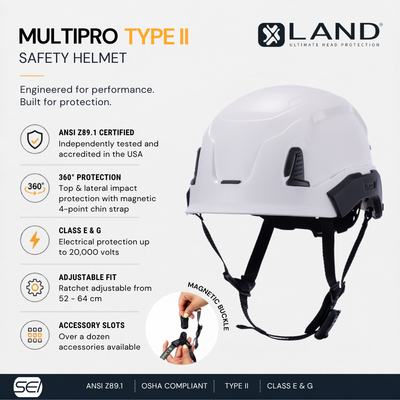
LAND MultiPro Type II Class E
The MultiPro offers Type II impact protection and Class E electrical classification with a modular design.
Its removable brim components and compatible accessories allow users to configure the helmet for different work requirements, subject to approved configurations.
LAND EcoPro Type I Class E
The EcoPro Class E provides Type I impact protection and electrical insulation in a traditional safety helmet configuration.
LAND ShieldPro Full Brim Type I Class E
The ShieldPro Full Brim provides Type I Class E protection with a full-brim design for workers who prefer additional brim coverage.
Explore the complete LAND Class E Safety Helmet Collection.

Frequently Asked Questions About Class E Safety Helmets
Can electricians wear Class C hard hats?
Class C hard hats do not provide electrical insulation and should not be used when the workplace requires electrically protective headwear. Electricians must use the head protection specified by their employer's hazard assessment.
Is a Class E hard hat rated for 20,000 volts?
Class E helmets are subjected to a 20,000-volt electrical proof test under specified laboratory conditions. That number is not a safe working-voltage rating and does not permit intentional contact with energized conductors.
Can you wear a vented hard hat for electrical work?
Vented Class C helmets are not appropriate where electrical head protection is required. OSHA advises against using vented head protection for electrical work. Always verify the helmet's electrical classification.
Is a Type II helmet automatically Class E?
No. Type II describes impact protection from the top and sides, while Class E describes electrical protection. A Type II helmet may have different electrical classifications depending on its tested design.
Does a Class E helmet protect against arc flash?
Not automatically. Class E indicates electrical insulation performance, not an arc-flash protection rating for the complete head-and-face system. Arc-flash exposures require a separate assessment and appropriately rated protective equipment.
Can you add a face shield or headlamp to a Class E helmet?
Only when the accessory and installation method are compatible with the specific helmet and suitable for the electrical hazards. Unapproved attachments or modifications may compromise the helmet's intended protection.
Is Class E better than Class G?
Class E meets a higher electrical proof-test requirement than Class G, but the correct classification depends on the work environment and applicable safety requirements. A higher electrical class does not automatically mean better impact protection.
What is the difference between ANSI Z89.1-2014 and ANSI Z89.1-2026?
ANSI/ISEA Z89.1-2026 is the newer industry standard and introduces enhanced-performance Type I+ and Type II+ designations, including additional retention and stability requirements.
These enhanced impact designations are separate from Class E electrical protection. Always check which standard edition and classifications a particular helmet has actually been tested to.
Can You Add Accessories to a Class E Safety Helmet?
Yes, Class E safety helmets can support accessories such as visors, earmuffs, headlamps, and sunshades, provided they are compatible with the helmet and suitable for the electrical hazards involved.
For utility workers, electricians, and industrial maintenance professionals, head protection is often only one part of the required PPE setup.
Depending on the job, workers may also need:
-
Safety helmet visors: Additional eye and face protection for applicable impact hazards.
-
Helmet-mounted earmuffs: Hearing protection for noisy industrial environments.
-
Safety helmet headlamps: Hands-free lighting for low-light work areas.
-
Helmet sunshades: Additional shade for outdoor construction and utility work.
-
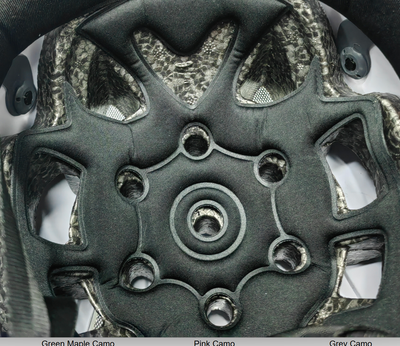
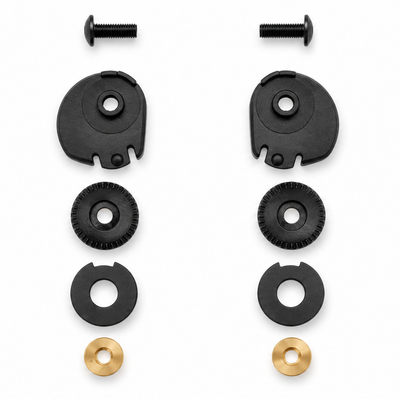
Replacement helmet components: Compatible sweatbands and other approved replacement parts to help maintain fit and comfort.
However, not every accessory is suitable for every Class E helmet.
Important: Accessories must be approved or permitted for the specific helmet model and must not compromise its electrical insulation or impact protection.
Explore LAND Safety Helmet Accessories.

What Accessories Are Useful for Electrical and Utility Workers?
The right Class E hard hat accessories depend on the hazards of the job, the work environment, and the helmet's approved configurations.
1. Safety Helmet Visors and Face Shields
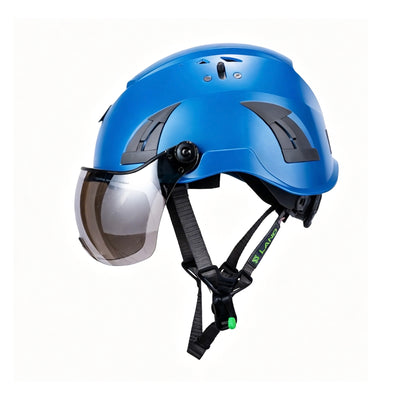
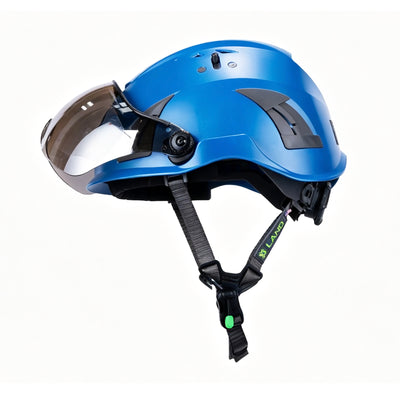
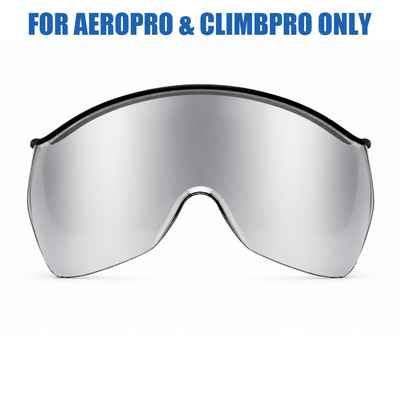
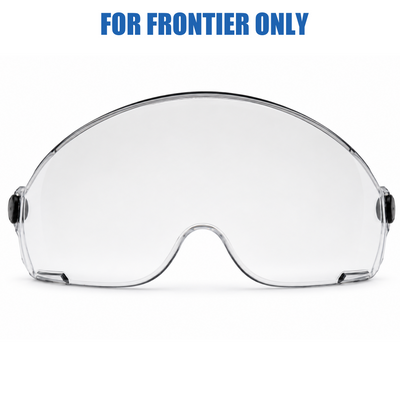
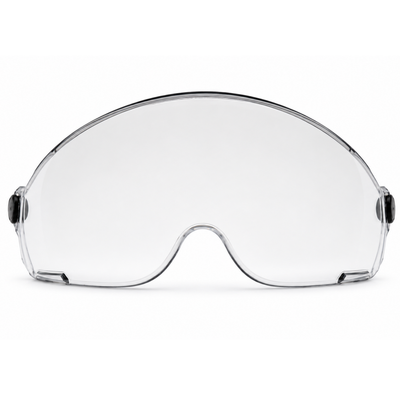
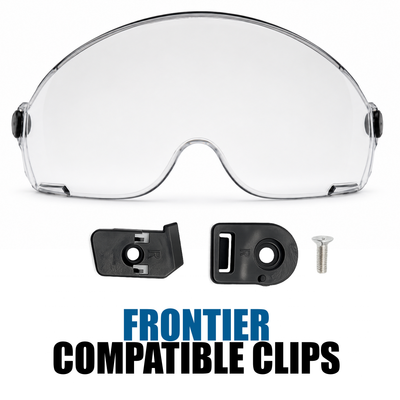
A Class E safety helmet with a face shield can provide additional protection against specified flying particles and other face hazards when equipped with an appropriate, compatible visor.
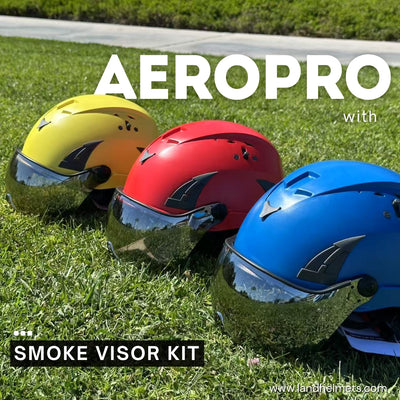
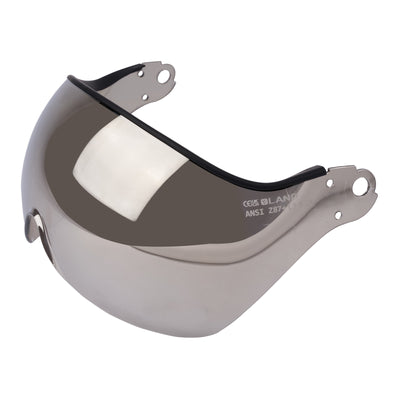
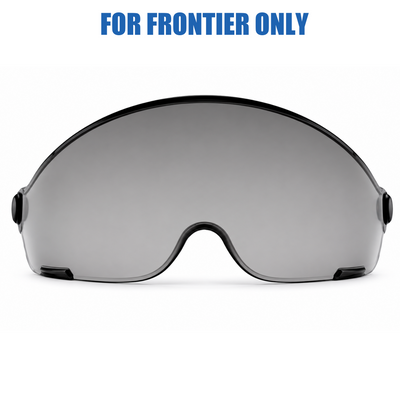
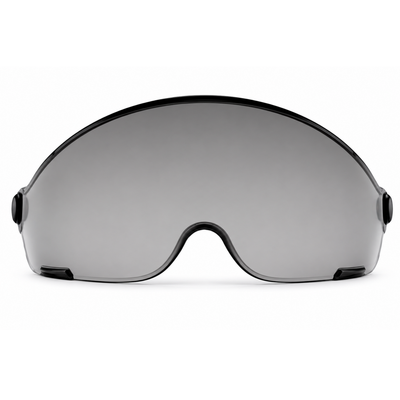
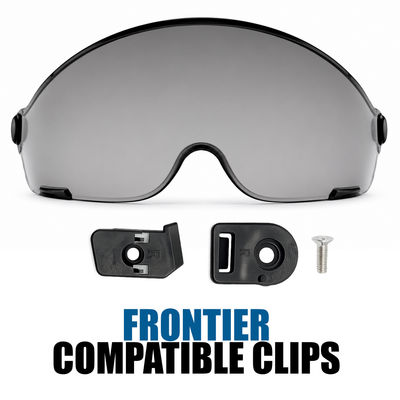
LAND offers clear and smoke visor options for compatible safety helmets, including the Frontier platform.
-
Clear visor: Suitable for applications where clear visibility and appropriate impact protection are needed.
-
Smoke visor: Helps reduce brightness and glare during outdoor work.
Does a standard safety helmet visor protect against arc flash?
Not necessarily. A visor meeting ANSI Z87.1 impact requirements is not automatically arc-rated.
For electrical jobs involving arc-flash hazards, workers must use appropriately rated face protection selected according to the workplace hazard assessment.
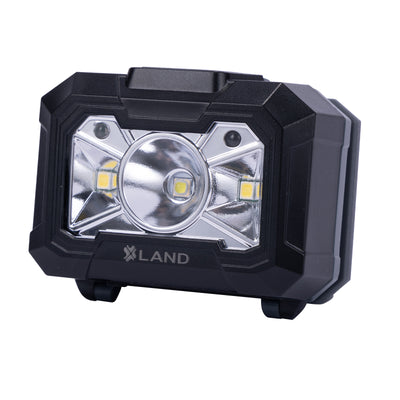
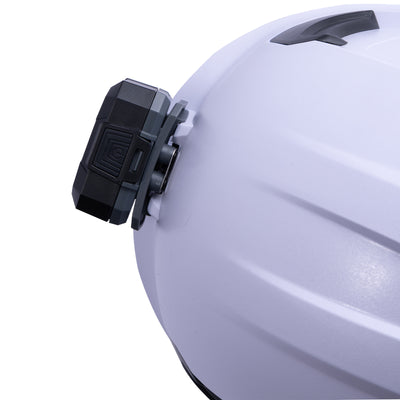
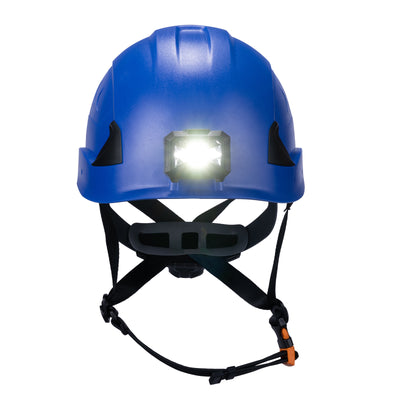
2. Helmet-Mounted Headlamps
For work in low-light environments, a safety helmet with a headlamp provides hands-free illumination without requiring the worker to hold a flashlight.
Helmet-mounted lighting can be useful during industrial inspections, equipment maintenance, and utility operations.
LAND offers compatible headlamps for select helmet models, including the Frontier and MultiPro.
When selecting a headlamp for electrical work, verify the attachment method and whether the complete configuration is suitable for the electrical hazards.
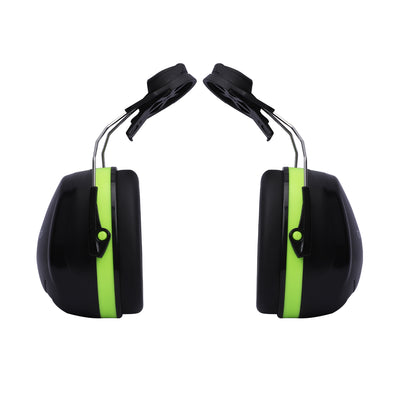
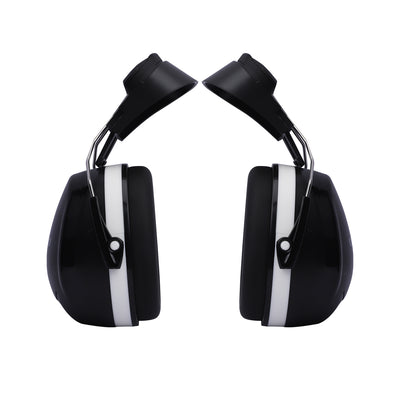
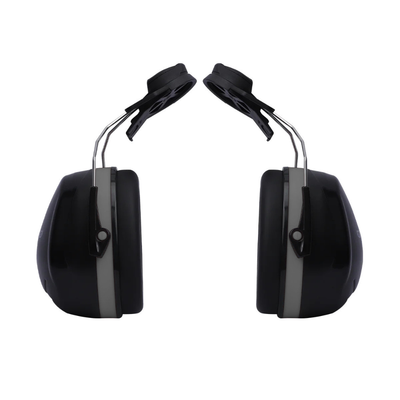
3. Hearing Protection Earmuffs
Utility and industrial maintenance environments can expose workers to hazardous noise from generators, machinery, compressors, and other equipment.
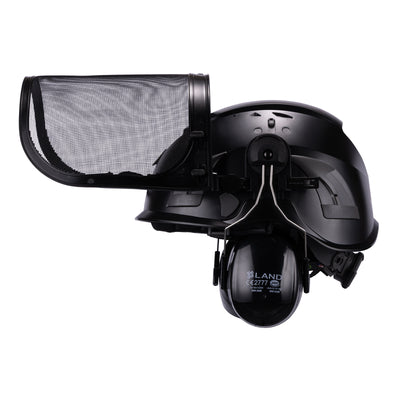
A Class E safety helmet with earmuffs offers a convenient way to combine head protection with compatible hearing protection.
LAND offers helmet-mounted Class E earmuffs with an NRR of 25 dB for compatible helmet configurations.
The required hearing protection depends on noise exposure levels and proper fit. The earmuffs and mounting components must also be suitable for the electrical environment.
4. Helmet Sunshades for Outdoor Utility Work
Outdoor professionals often spend extended periods working under direct sunlight.
A hard hat sunshade can provide additional shade around the neck and face, helping improve comfort during outdoor work.
LAND offers sunshade accessories for compatible safety helmets.
For electrical applications, ensure the selected sunshade, its material, and its attachment method are permitted for use with the specific Class E helmet.
Choosing the Right Electrical Safety Helmet Starts with the Job
A Class E safety helmet provides important electrical insulation characteristics, but selecting appropriate head protection requires understanding the entire work environment.
Whether you need a Type I Class E hard hat or a Type II Class E safety helmet, consider impact exposure, electrical hazards, retention, comfort, and compatible accessories.
LAND offers several Class E configurations to help professionals select head protection for their workplace requirements.
Explore LAND Class E Safety Helmets
LAND Helmets: Protection Designed Around the Job.
Safety note: Helmet selection must follow the applicable workplace hazard assessment, manufacturer instructions, and electrical safety requirements. The Class E laboratory proof-test voltage is not a permissible working voltage.