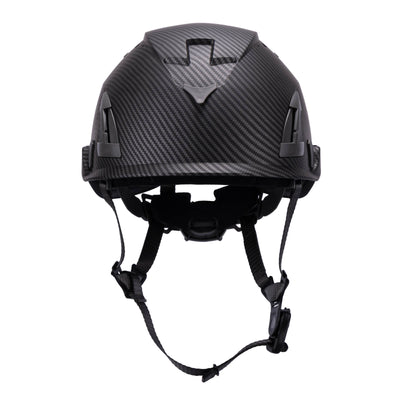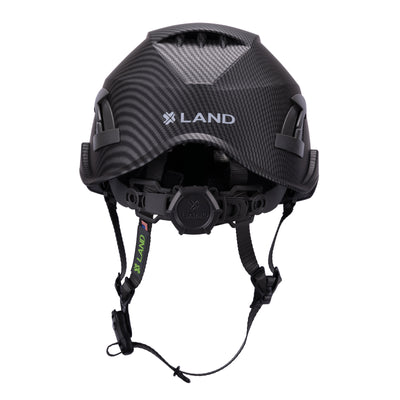




Choosing the right safety helmet starts with one question: What hazards are workers exposed to?
For safety managers, selecting head protection means evaluating falling objects, side impacts, electrical exposure, and job-specific PPE requirements.
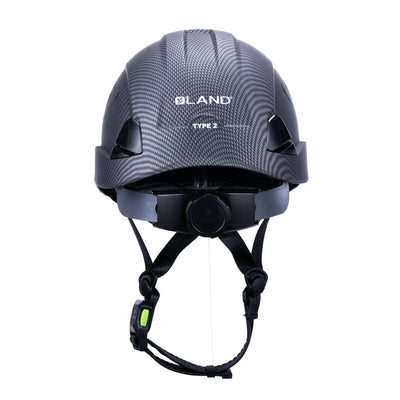
This guide breaks down how to choose the right Type I or Type II safety helmet, understand Class C vs. Class E, and compare LAND helmet options.
1. Identify the Hazards on Your Jobsite
Before selecting a helmet, assess the following:
-
Falling objects: Could tools or materials strike the top of the head?
-
Side impacts: Could workers hit equipment, machinery, or structures?
-
Electrical hazards: Is protection against electrical contact required?
-
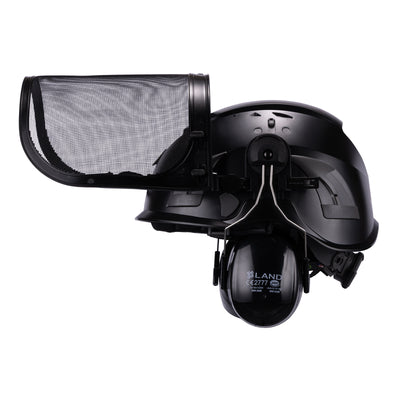
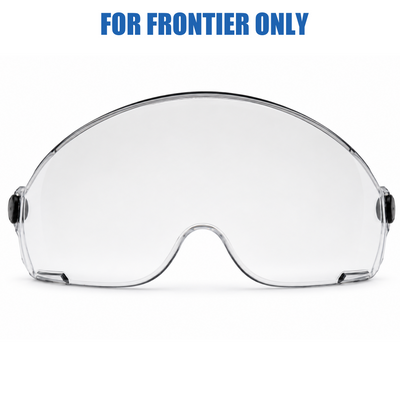
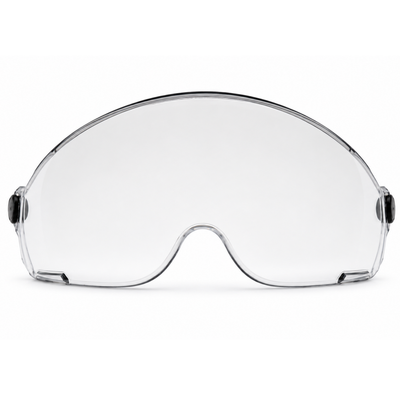
Additional PPE: Do workers need a visor, earmuffs, or headlamp?
-
Fit and retention: Will the helmet stay secure during the task?
OSHA's general industry PPE hazard-assessment rule, 29 CFR 1910.132(d), requires covered employers to evaluate workplace hazards and select appropriate PPE.
Choose a helmet based on the hazards of the task, not just the worker's industry or job title.
2. Type I vs. Type II Safety Helmets
The main difference is the direction of impact protection.
| Type I | Type II |
|---|---|
| Top-impact protection | Top and lateral-impact protection |
| For tasks where top-impact protection is sufficient | For tasks with foreseeable side-impact hazards |
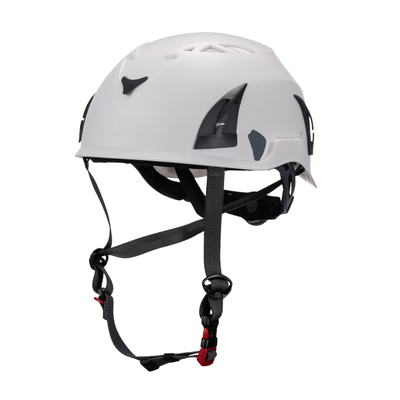
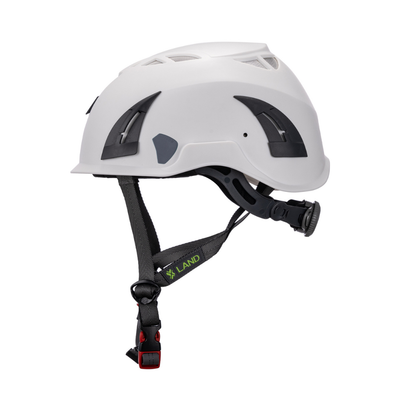
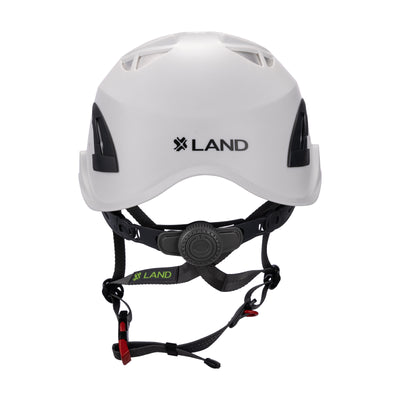
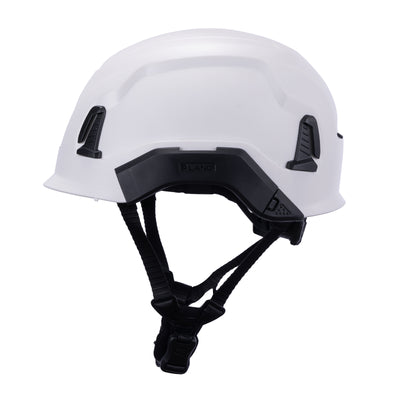
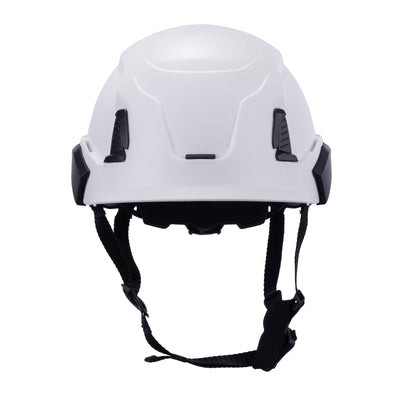
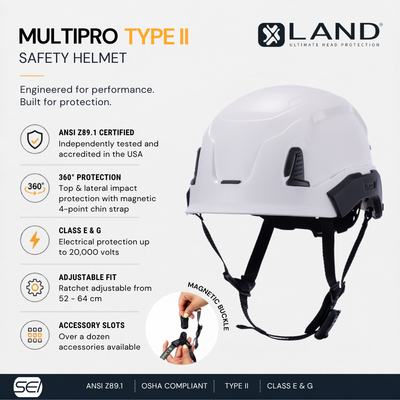
| LAND EcoPro, AeroPro, ShieldPro | LAND Frontier, MultiPro |
LAND Type I options include:
When should you choose Type II?
When the hazard assessment identifies lateral head-impact risks that top-impact-only protection would not adequately address.
LAND Type II options:

3. Class C vs. Class G vs. Class E Hard Hats
Electrical protection is a separate consideration from impact protection.
| Class | Electrical protection |
|---|---|
| Class C | No electrical protection |
| Class G | General electrical protection; 2,200V laboratory proof test |
| Class E | Electrical protection; 20,000V laboratory proof test |
Which class should you choose?
-
Class C: Non-electrical work where ventilation may be beneficial.
-
Class G: Work requiring an appropriate level of general electrical protection.
-
Class E: Work requiring electrical head protection.
Important: The 20,000V Class E rating is a laboratory test value, not a safe working voltage. Class E does not automatically mean arc-flash protection.
For additional information, read our Class C vs. Class E Safety Helmet Guide.
LAND Class E options include:
4. Which LAND Helmet Is Right for Your Industry?
Use this table as a starting point. Final selection must be based on the actual workplace hazard assessment.
| Industry / Task | LAND helmets to consider |
|---|---|
| General construction | EcoPro Type I, Frontier Type II, ShieldPro Full Brim |
| Electrical and utility work | Frontier Type II Class E, MultiPro Type II Class E, EcoPro Class E |
| Arboriculture and tree care | AeroPro, AeroPro Arbor Kit; Frontier where Type II is appropriate |
| Manufacturing and warehousing | EcoPro Type I, Frontier Type II |
| Roofing and outdoor work | ShieldPro Full Brim, EcoPro, Frontier |
| Climbing and technical rescue | ClimbPro, AeroPro, or Frontier where their specific certifications match the task |
Workers in the same industry may need different helmets depending on their exposure to impacts, electricity, and other hazards.

5. Don't Forget Helmet Accessories
A helmet is often part of a larger PPE system.
Depending on the task, workers may also need:
-
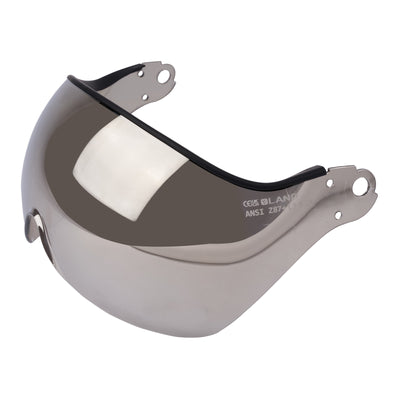
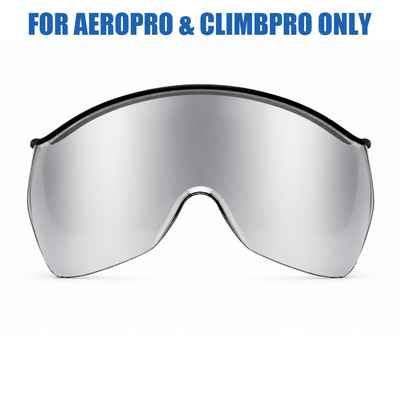
Visors or face shields for applicable eye and face hazards
-
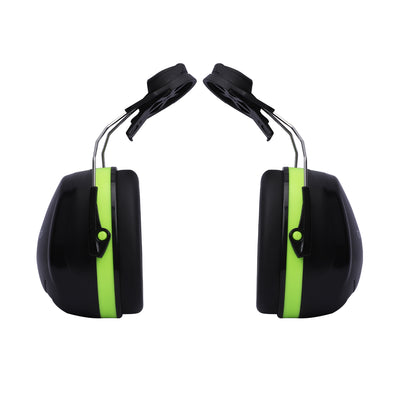
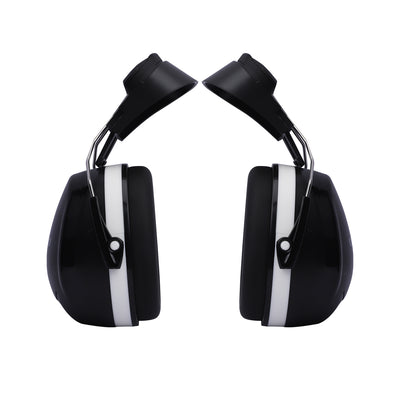
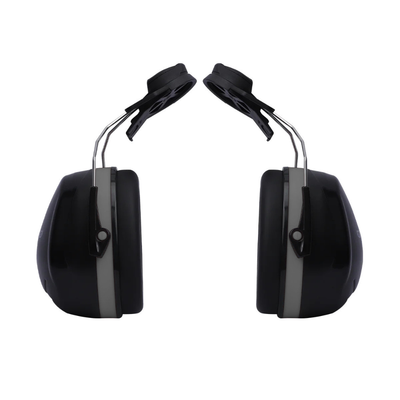
Earmuffs for noise exposure
-
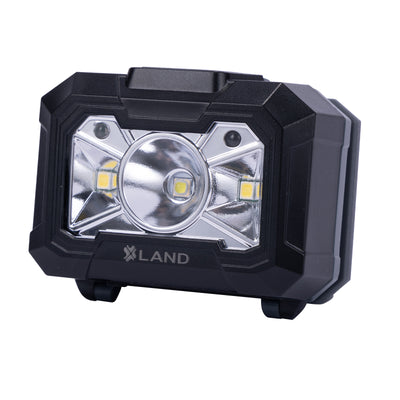
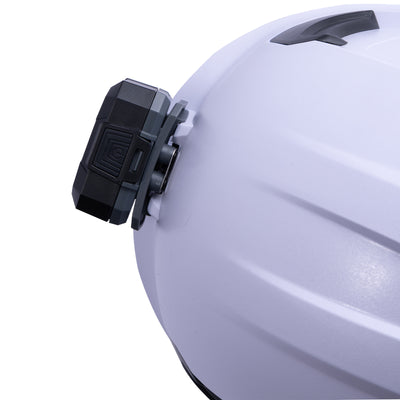
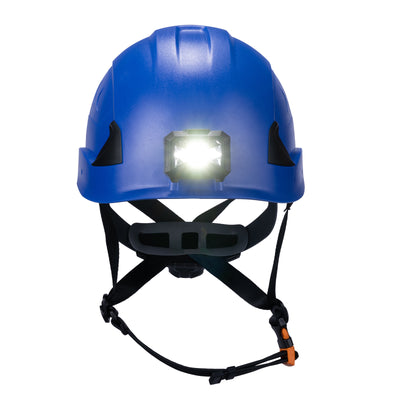
Headlamps for low-light work
-
Sunshades for outdoor conditions
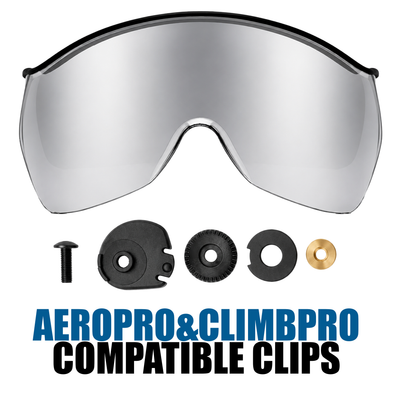
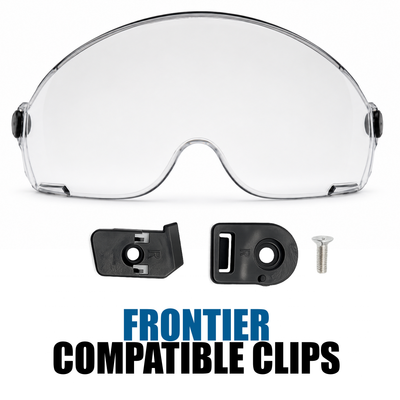
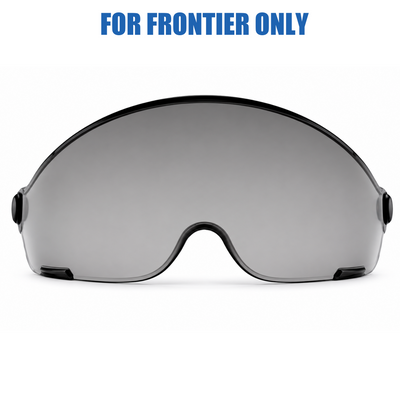
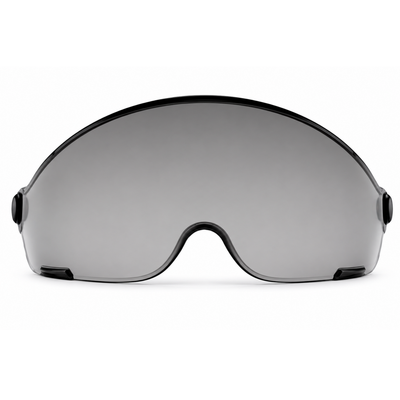
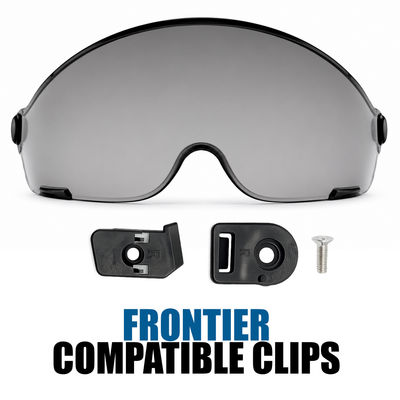
LAND offers compatible accessories for several helmet platforms, including the Frontier, EcoPro, and AeroPro Arbor Kit.
Always verify compatibility and ensure accessories do not compromise the helmet's required protection.
6. Final Safety Helmet Selection Checklist
Before approving a helmet for your crew, confirm:
- Impact protection: Type I or Type II
- Electrical classification: Class C, G, or E
- Proper fit and retention
- Compatible accessories
- Applicable certification markings
- Documented hazard assessment
For covered general industry workplaces, OSHA requires written certification that the PPE hazard assessment has been completed. Review the assessment when tasks, equipment, or workplace hazards change.
Frequently Asked Questions
Does OSHA require Type II safety helmets?
Not for every worker. Helmet selection depends on the hazards identified. If lateral head impacts are foreseeable, the employer must choose protection that adequately addresses those hazards.
What is the difference between Type I and Type II hard hats?
Type I protects against top impacts. Type II provides protection against both top and lateral impacts.
Can electricians wear Class C helmets?
Class C helmets do not provide electrical protection and should not be used when electrical head protection is required.
Which safety helmet is best for utility workers?
It depends on the job. When both Type II impact protection and Class E electrical protection are required, the LAND Frontier Type II Class E and LAND MultiPro Type II Class E are options to evaluate.
How often should a PPE hazard assessment be updated?
Review the assessment whenever workplace conditions, equipment, tasks, or exposure risks change.
Find the Right LAND Safety Helmet
The right helmet depends on the job's actual hazards, not a one-size-fits-all recommendation.
LAND offers Type I and Type II safety helmets, with Class C and Class E options for different professional applications.
Explore our LAND safety helmet collection, compare models, or contact our team to discuss helmet options for your crew.
CONTACT LAND ABOUT BULK ORDERS
LAND Helmets
5480 Katella Ave. #212
Los Alamitos, CA 90720
(714) 886-2013
info@landhelmets.com